
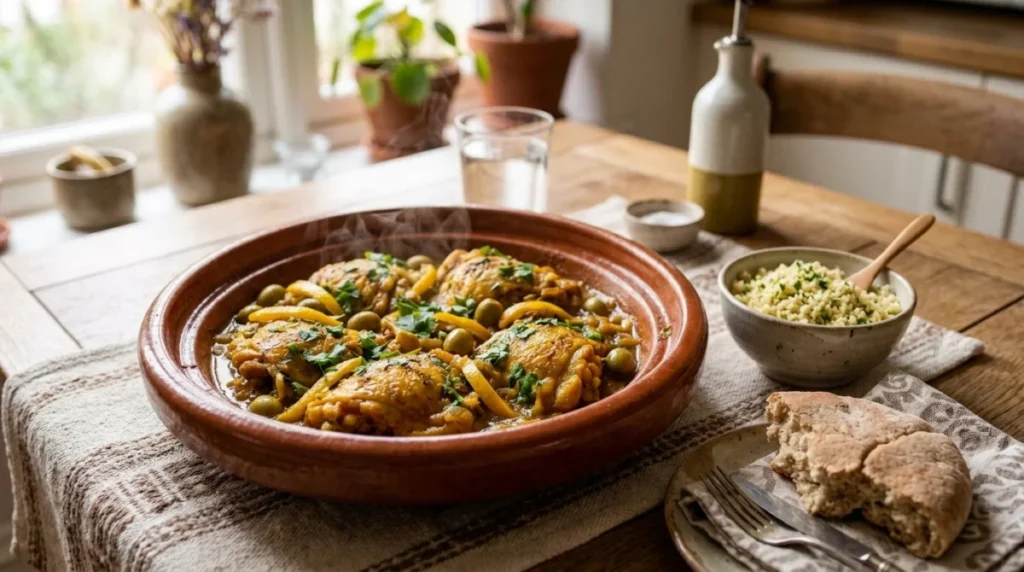
Why This Chicken Tagine Recipe Needs No Special Pot
Think you need that cone-lidded clay pot to make a real tagine? Here is the secret Moroccan cooks will happily tell you: the dish matters more than the vessel. This chicken tagine recipe delivers the full experience in a Dutch oven or any heavy lidded pot.
And what flavors: chicken so tender it slides off the bone, in a golden sauce of slow-cooked onions, ginger, and saffron-colored spice, cut through with the salty pop of olives and the perfume of preserved lemons. It tastes like a Marrakech courtyard and cooks like a one-pot weeknight dinner.
This is the dish that makes guests think you worked much harder than you did. The pot is genuinely not the point, clay or cast iron both work, and the preserved lemon substitutes below mean nobody is locked out of it.
You will find the ingredient list, where to buy preserved lemons in the US and UK (plus a fast homemade version), five numbered steps with photos, the keys to tender chicken and a glossy sauce, and the most-searched questions answered.
Saffron, Ginger, and Slow Heat
- No special equipment. A Dutch oven, deep skillet with a lid, or any heavy pot does the job. The traditional clay tagine is lovely but optional, and the FAQs explain the honest difference.
- Supermarket-friendly with one exciting exception. Chicken, onions, garlic, olives, and everyday spices carry the dish. Preserved lemons are the one specialty item, with a sourcing guide and two substitutions below.
- Weeknight-realistic. About 20 minutes of prep, then 45 minutes of gentle, mostly unattended simmering in one pot.
- Naturally fits many tables. The dish is halal as written, dairy-free, and gluten-free, and it happily feeds a crowd with couscous or bread alongside.
About Tagine: Morocco’s Slow-Cooked Signature
Tagine is both a pot and the family of dishes cooked in it. The cone-lidded earthenware vessel has simmered North African stews for centuries, its shape designed to condense steam and drip moisture back down, so food cooks gently in very little liquid.
Chicken with preserved lemons and olives is one of the most iconic tagines of all, the dish restaurants abroad reach for to say “Morocco” on a menu. At home it is Friday food and celebration food, served from the pot at the center of the table with bread for scooping, in the shared style found across Arabic and Mediterranean cooking.
If you know French braises or Spanish chicken stews, the technique will feel familiar. The difference is the flavor logic: warm spices instead of wine, and the salty-citrus depth of preserved lemon that nothing else in the Western pantry quite matches.
What Goes Into a Chicken Tagine
For the Tagine
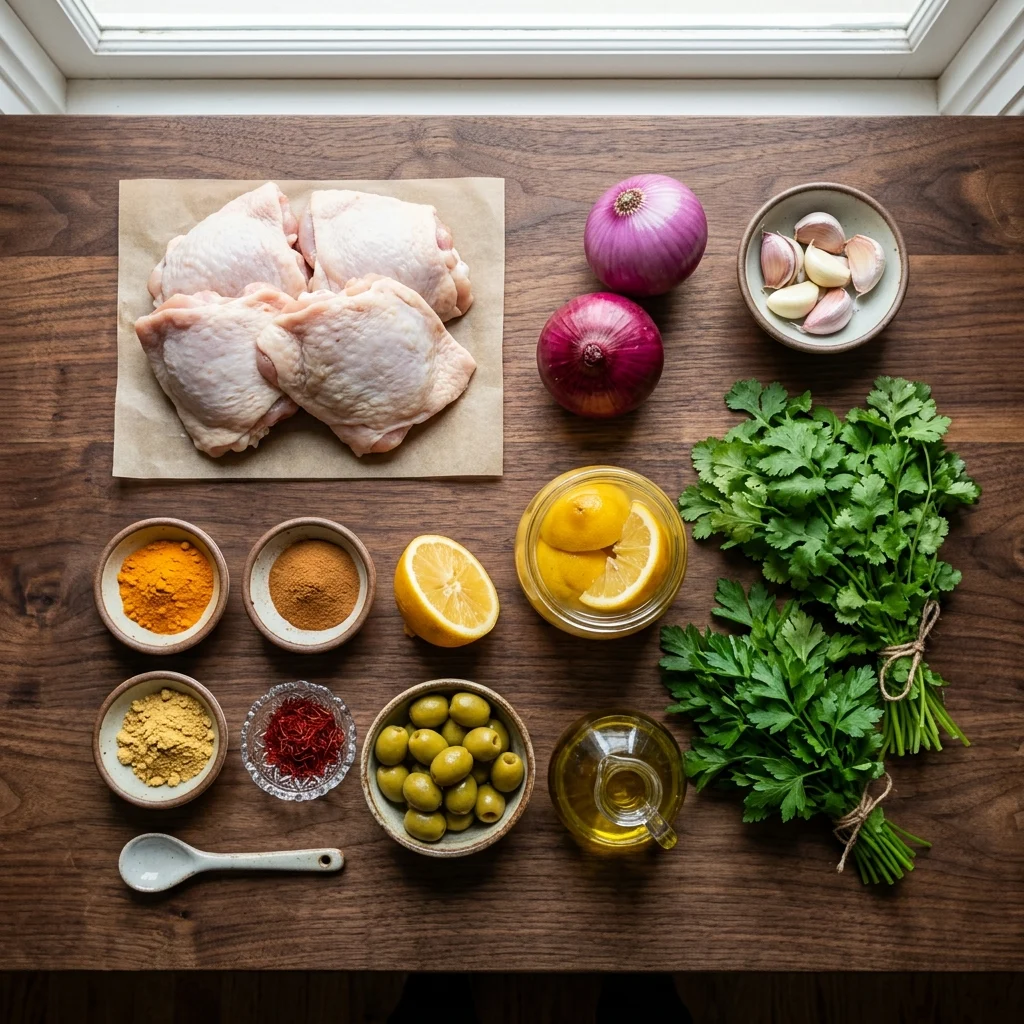
Serves 4 to 6:
- 8 bone-in, skin-on chicken thighs (about 3 lbs / 1.4 kg), or a mix of thighs and drumsticks
- 3 tablespoons olive oil
- 2 large onions, thinly sliced
- 4 garlic cloves, minced
- 1½ teaspoons ground ginger
- 1 teaspoon ground turmeric
- ½ teaspoon black pepper
- ½ teaspoon ground cinnamon
- Pinch of saffron threads soaked in 2 tablespoons warm water (optional but wonderful)
- 1 teaspoon salt, plus more to taste
- ¾ cup (180 ml) water or chicken stock
- 2 preserved lemons (rind of both, flesh discarded), rinsed and cut into strips
- 1 cup green or violet olives (cracked green olives are traditional), rinsed
- ½ cup chopped fresh cilantro (coriander) and parsley, mixed
Where to Find Preserved Lemons in the US and UK
Preserved lemons (whole lemons cured in salt until soft, mellow, and intensely aromatic) have gone from obscure to findable. In the US, check Whole Foods, Trader Joe’s, or the international aisle at larger supermarkets; in the UK, look near the olives or in the world foods aisle at the big chains. Every Middle Eastern or Mediterranean grocery sells them in jars, usually cheaper and better, and Amazon lists dozens of brands.
Saffron is in the spice aisle everywhere now, sold in tiny amounts. It is optional here, so skip it rather than skip the recipe.
Without Preserved Lemons
- No preserved lemons, some patience? Make quick ones: quarter 2 lemons, pack them with 2 tablespoons of salt in a jar, cover with lemon juice, and leave at room temperature for 3 days, shaking daily. Not as deep as month-cured, but genuinely close.
- No preserved lemons, no patience? Use the zest of 1 lemon plus 2 tablespoons of juice, added with the olives, plus an extra pinch of salt. Different, still delicious.
- No saffron? Add an extra ¼ teaspoon of turmeric for color and carry on. Most weeknight tagines in Morocco skip saffron too.
Browning, Simmering, Reducing
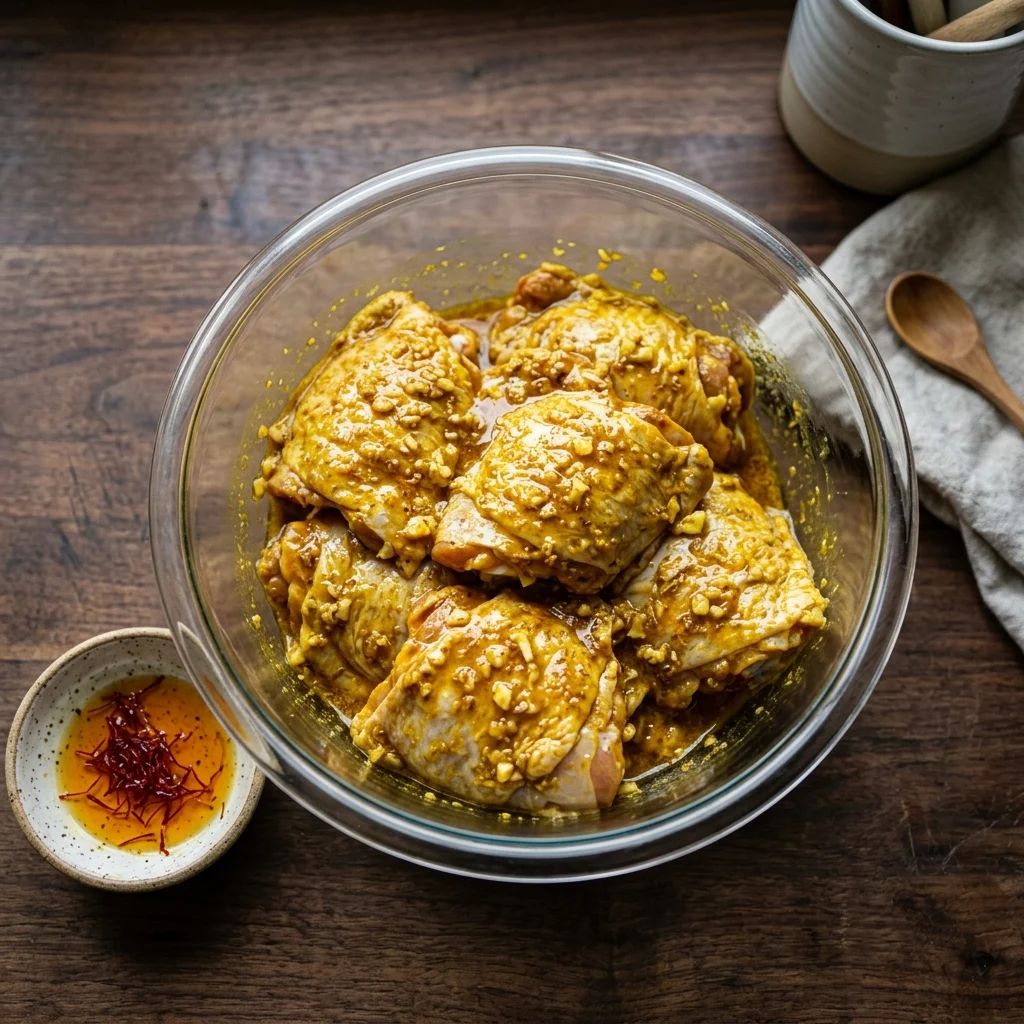
Step 1: Coat the Chicken in the Spice Paste
In a large bowl, mix the olive oil, garlic, ginger, turmeric, pepper, cinnamon, salt, and the saffron with its soaking water. Add the chicken and rub the paste all over the pieces. If you have 30 minutes (or up to overnight in the fridge), let it marinate; if not, proceed.
Prep tip: Thighs and drumsticks are not a budget compromise here, they are the correct cut. Breast meat dries out before the sauce has time to develop, which is why dark meat is the correct cut here. Dark meat is what survives the braise and gives the sauce its body.
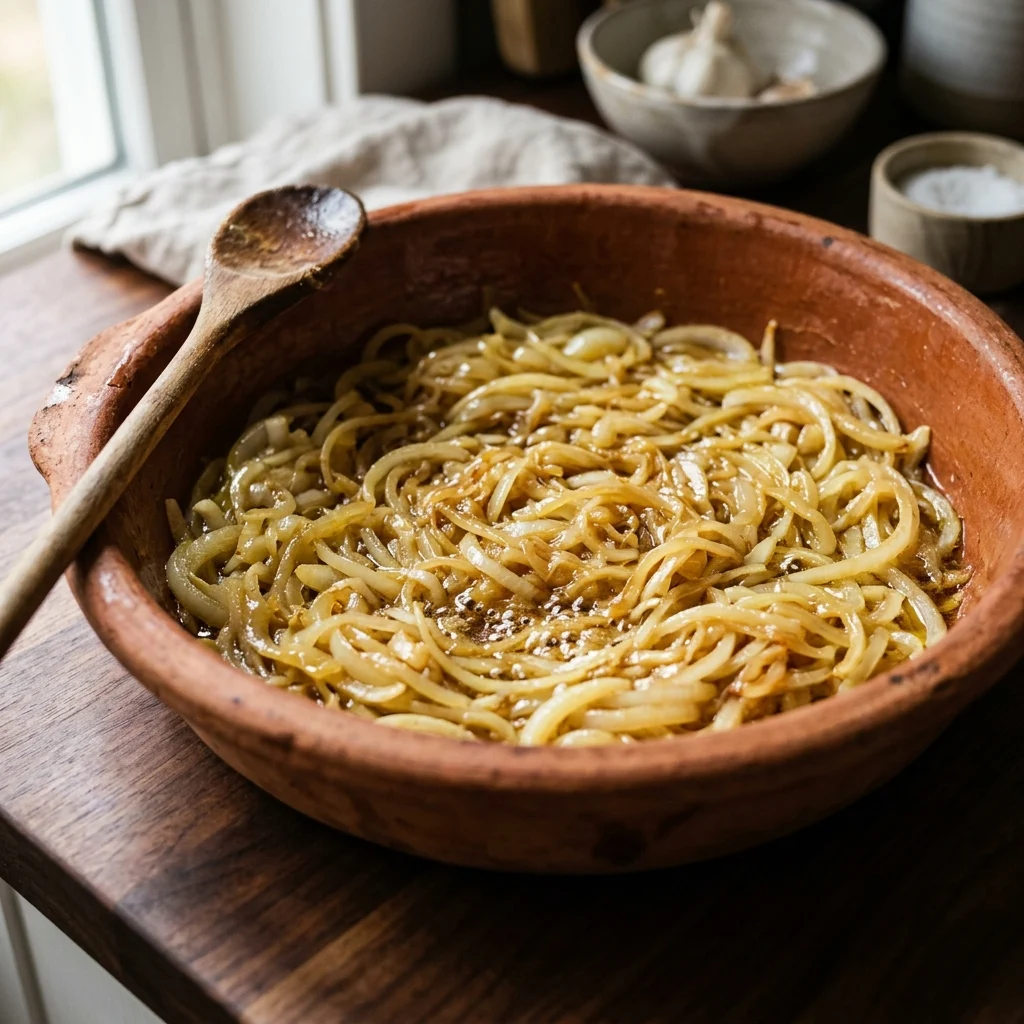
Step 2: Build the Onion Bed
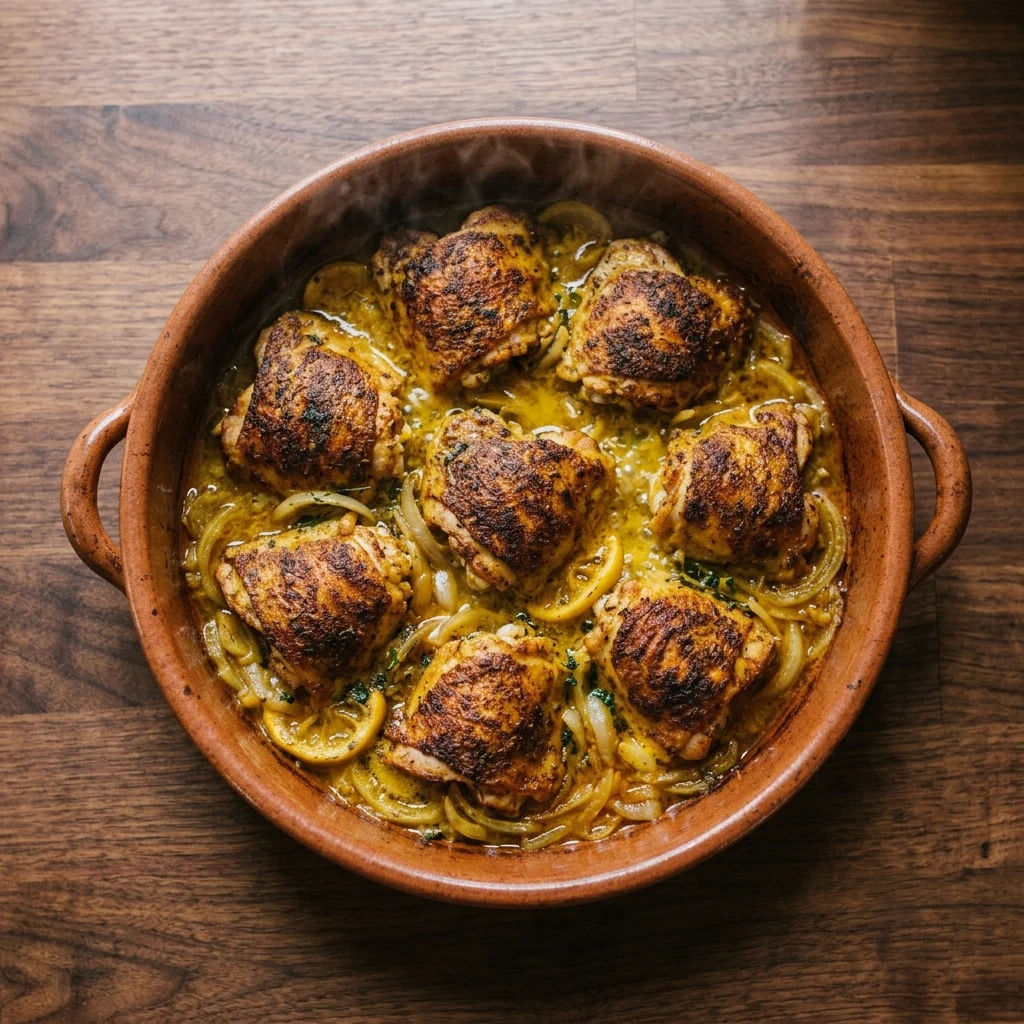
Warm a tablespoon of olive oil in your pot over medium heat and add the sliced onions with a pinch of salt. Cook for 10 minutes, stirring often, until soft and golden, then spread them into an even layer. This bed is what the chicken cooks on and what melts into the sauce.
Step 3: Nestle the Chicken and Simmer
Arrange the chicken pieces skin-side up on the onions, pour any remaining marinade over them, and add the water or stock down the side of the pot. Bring to a gentle simmer, cover, and cook on low for 35 minutes.
Prep tip: That modest amount of liquid is correct, so resist topping it up. The chicken and onions release plenty as they cook, and topping up the liquid is the fastest way to a thin, soupy sauce. Tagine logic is little liquid, low heat, lid on.
Step 4: Add the Preserved Lemons and Olives
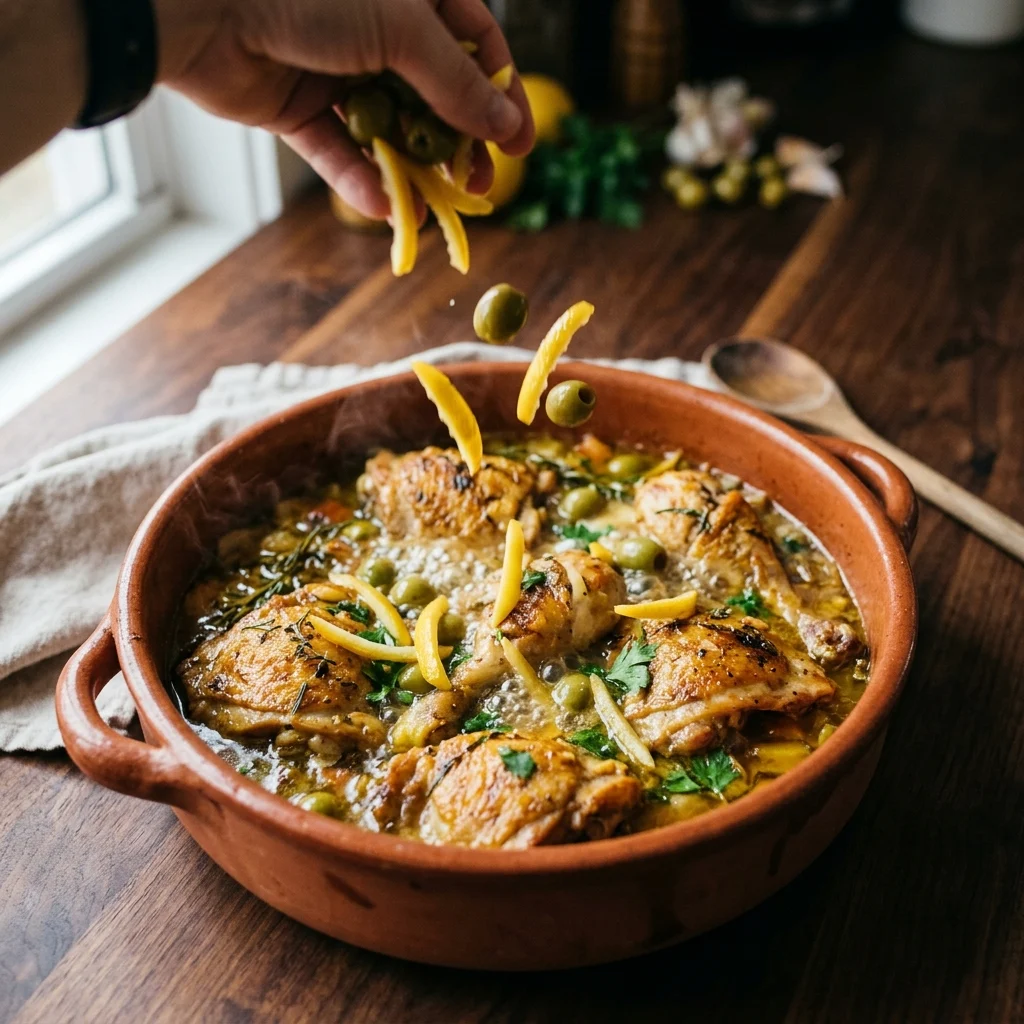
Scatter the preserved lemon strips and olives around the chicken, re-cover, and simmer for 10 more minutes so their flavors weave into the sauce.
Step 5: Reduce the Sauce and Finish with Herbs
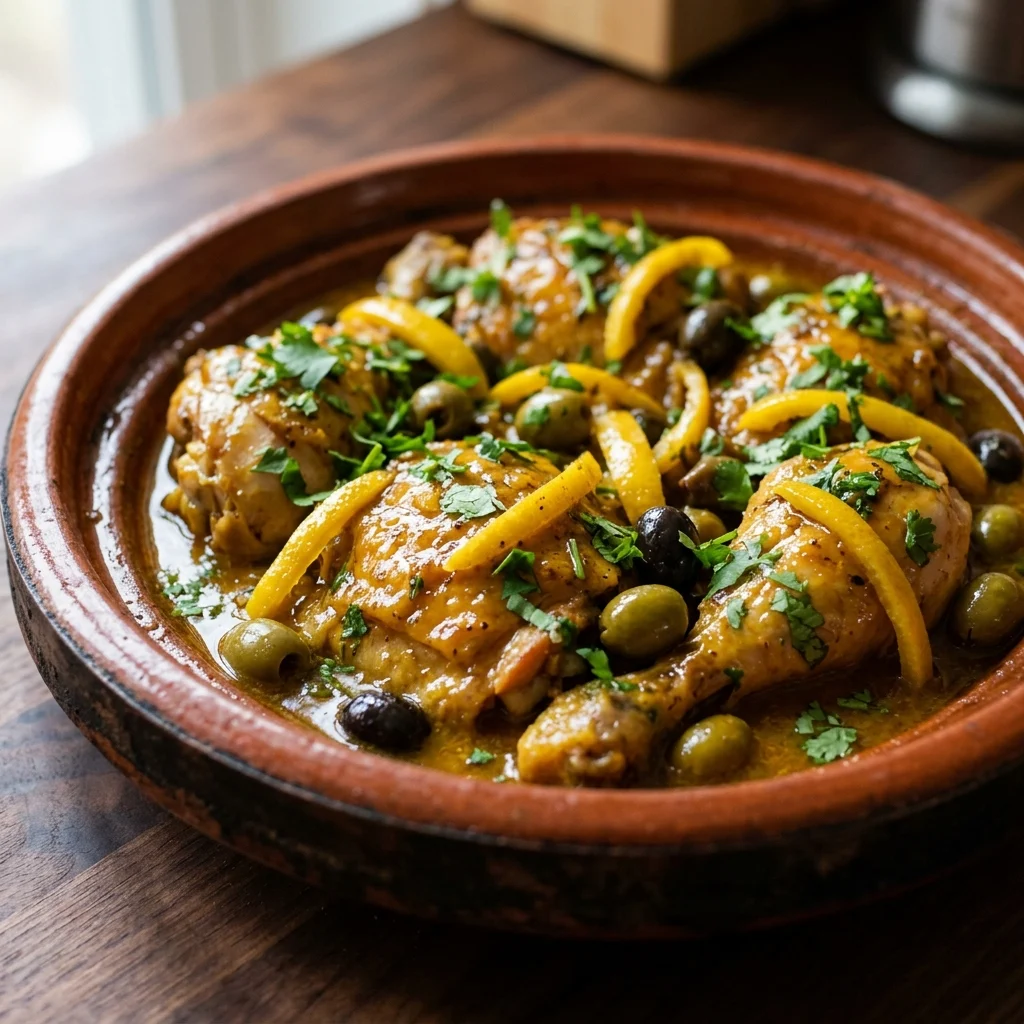
Uncover, raise the heat slightly, and simmer for 5 to 10 minutes until the sauce is glossy and coats a spoon. Taste before adding salt (the lemons and olives bring their own), stir in most of the herbs, and scatter the rest on top. Serve from the pot.
How Not to Dry the Chicken Out
- Rinse the preserved lemons and use the rind. The flesh is mostly salt and pulp; the rind is where the perfume lives. A quick rinse keeps the dish balanced instead of briny.
- Rinse the olives too. Jarred olives carry a lot of brine. Ten seconds under the tap protects your sauce from turning salty.
- Let it rest ten minutes before serving. Like most braises, tagine settles and thickens slightly off the heat, and the flavors knit together.
- Storage: Keeps in the fridge for 3 days and tastes even better on day two. Reheat gently with a splash of water. It freezes well for 2 months, though the olives soften.
Lamb, Fish, and Other Tagines
Vegetarian Tagine with the Same Soul
Swap the chicken for 2 cans of drained chickpeas and 1 lb of chunked carrots and potatoes, keep every other step, and simmer 25 minutes instead of 35. The preserved lemon and olive finish does the same magic for vegetables.
Quick Weeknight Tagine Shortcut
Use boneless, skinless thighs: the marinade becomes a 10-minute toss, the simmer drops to 20 minutes, and dinner lands in about 40 minutes total. You trade a little sauce depth for speed, and it is still leagues beyond takeout.
A Small Change Worth Making
Chopping a small handful of the olives and stirring them into the sauce, rather than scattering them all whole, means every spoonful carries their flavour. And the pot goes to the table with bread and spoons, because the sauce is the part everyone fights over.
Bread or Couscous?
In Morocco, tagine comes with bread, not couscous: rounds of khobz for scooping the sauce. If you love the idea of couscous anyway, buttered couscous with a handful of raisins is a five-minute side that never fails.
For familiar Western pairings, the tagine is happy over rice or mashed potatoes, with a green salad, or with a fresh, lemony counterpoint. Finish the meal with the Moroccan almond cookies and mint tea, and you have built a complete Moroccan dinner from this blog.
Questions Cooks Ask About Tagine
Do I need a tagine pot to make chicken tagine? No. A Dutch oven or any heavy lidded pot produces excellent results, because the goal is gentle, covered simmering in little liquid. The clay tagine adds charm, but it is optional.
What can I substitute for preserved lemons in tagine? Fresh lemon zest plus juice and a pinch of extra salt is the fast swap, or make 3-day quick preserved lemons as described above. The dish will taste brighter and less deep, but still very good.
Is chicken tagine spicy? No. The spices are warm and aromatic (ginger, turmeric, cinnamon) with no chili at all. Anyone wanting heat can add a spoonful of harissa at the table without changing the pot for everyone else.
How do I store leftover chicken tagine? Covered in the fridge for up to 3 days; the flavor deepens overnight. Reheat gently with a splash of water to loosen the sauce. Freeze for up to 2 months if needed.
Is chicken tagine gluten-free and halal? Yes on both counts as written: there is no flour, no alcohol, and no pork anywhere in the dish. Just serve it with rice or a gluten-free bread if anyone at the table avoids wheat.
Start It on a Slow Sunday
If harira introduced you to the Moroccan pot, this tagine shows what it can really do: five steps, one vessel you already own, and a dinner that smells like a holiday. The preserved lemons alone will change how you think about chicken.
Make it this week and tell me in the comments which route you took: jarred preserved lemons, the 3-day quick cure, or the zest shortcut. And if you know someone who ordered tagine on holiday and assumed it stayed there, share this recipe. Marrakech travels better than they think.
Rate this recipe
No ratings yet — be the first!
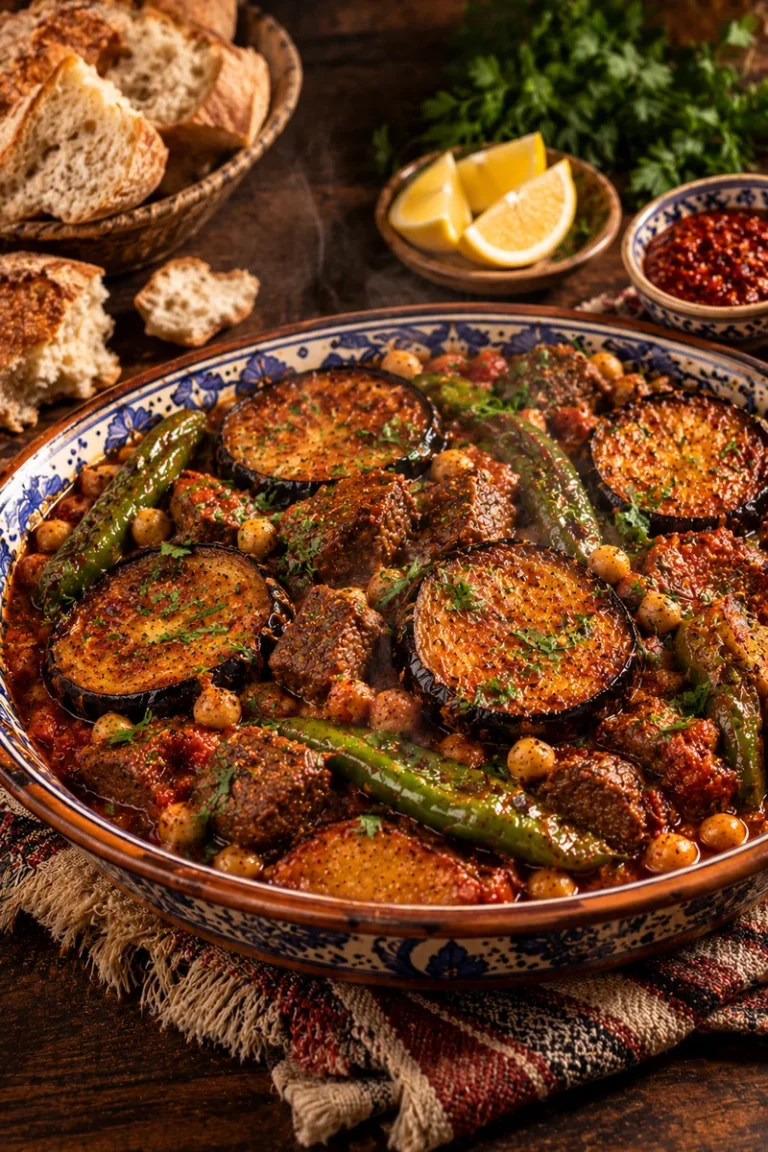
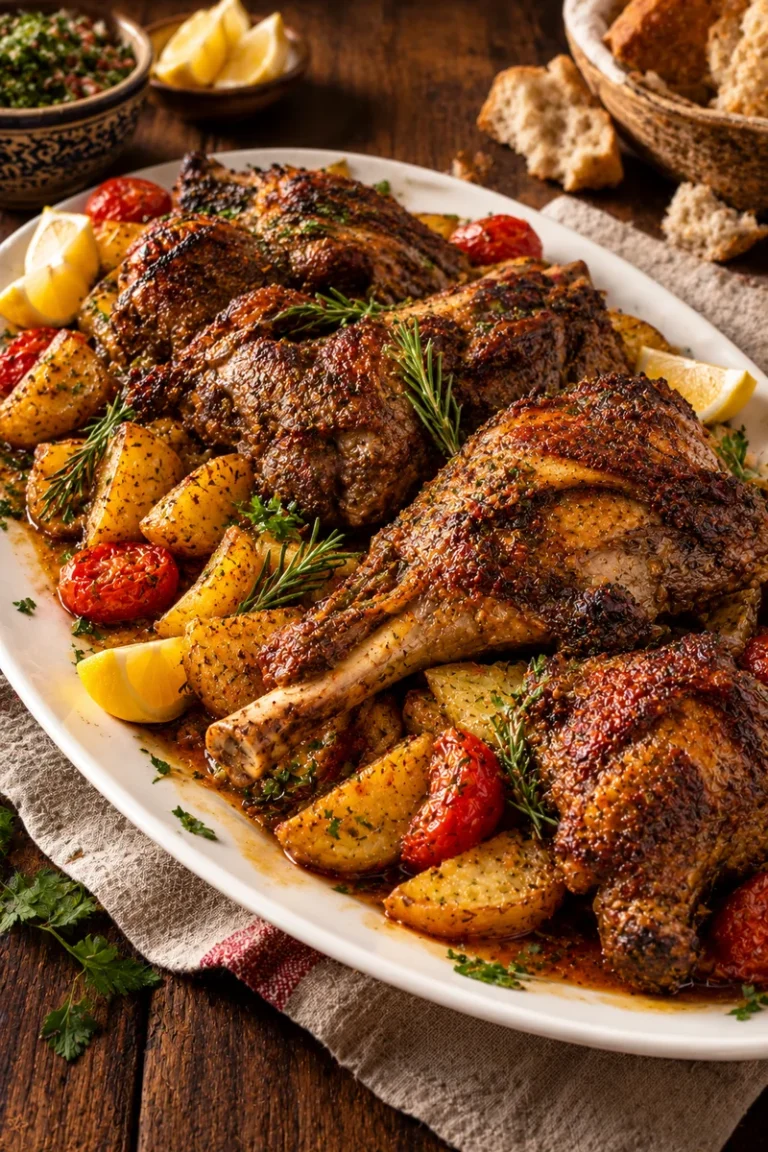
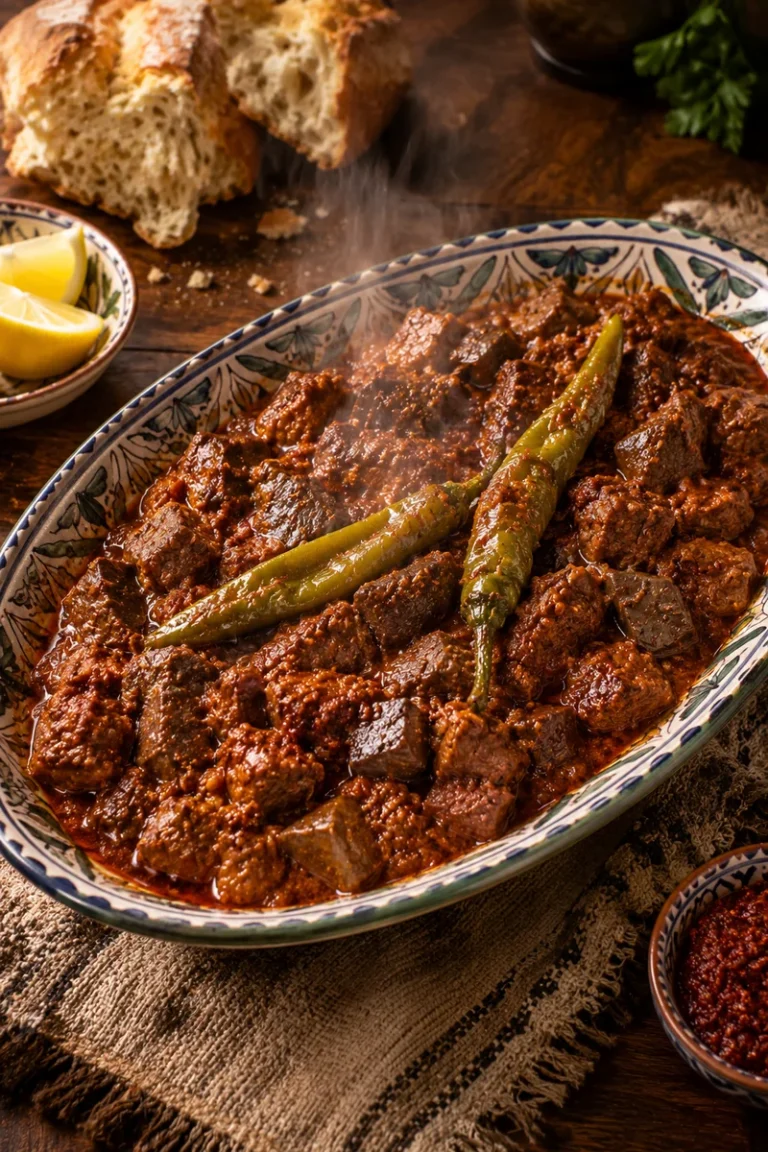
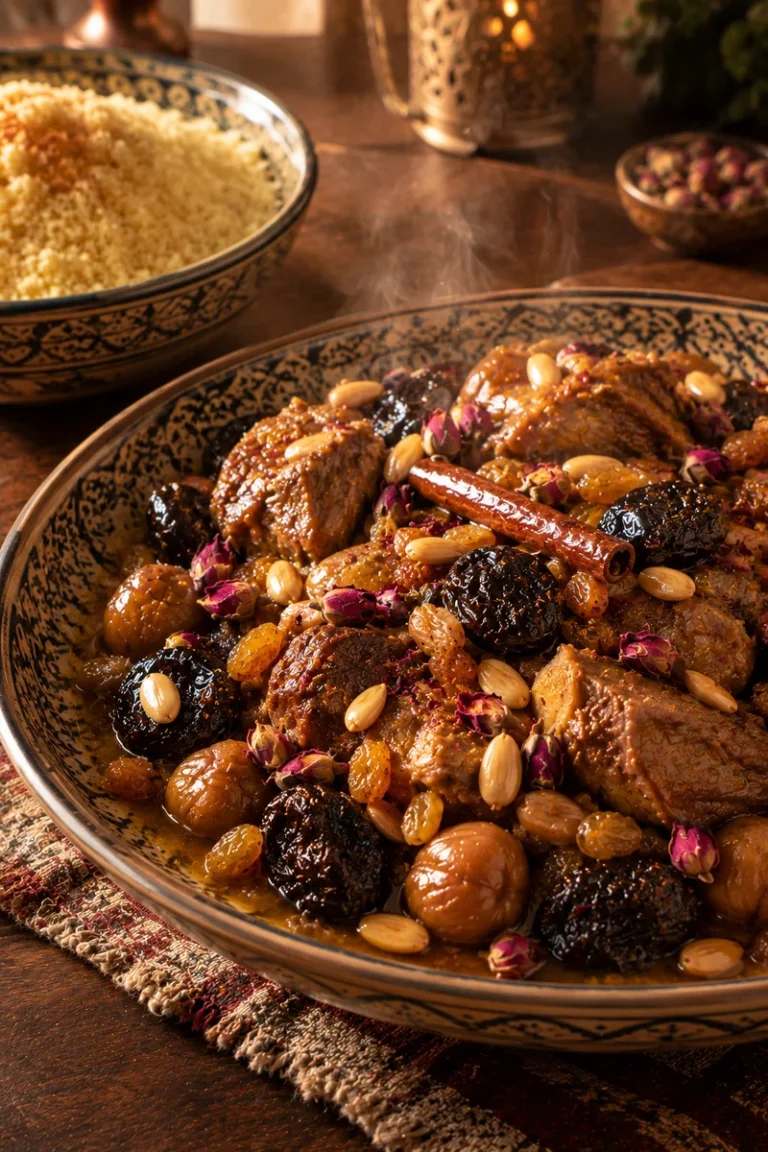

You do not need the clay pot. A Dutch oven produces excellent results, because the technique is gentle covered simmering in very little liquid. The tagine adds charm, not necessity.
Comments
No comments yet. Yours would be the first.
Made this? Tell me which route you took for the preserved lemons: jarred, quick-cured, or the zest shortcut.
Leave a comment
Comments are anonymous and appear after admin approval. If you rated this recipe above, your stars will show with your comment.