
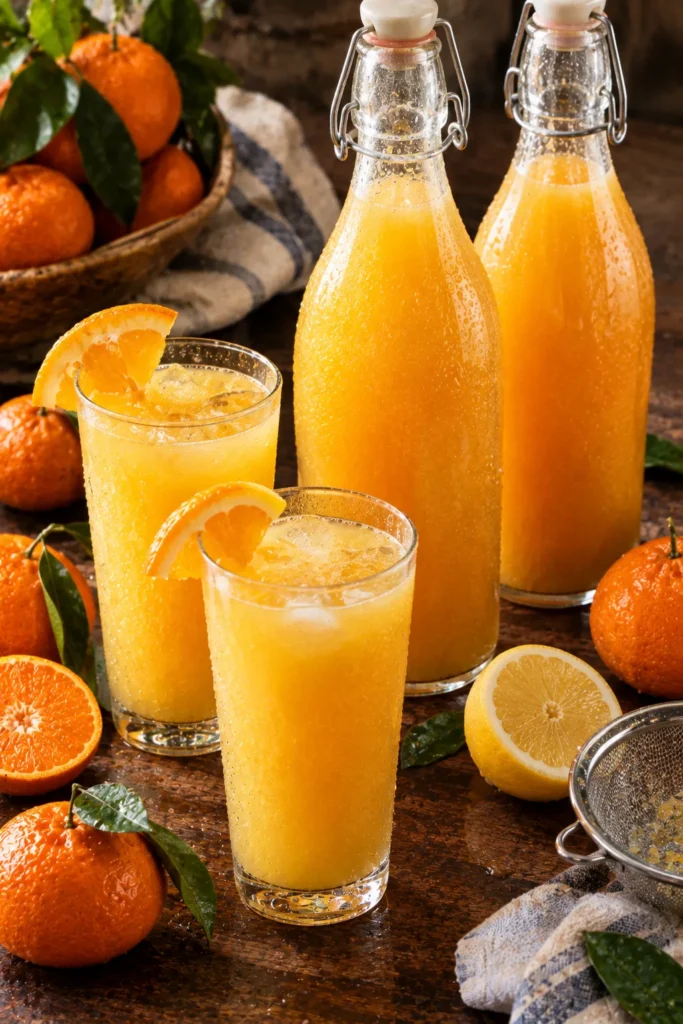
You Boil the Fruit, Peel and All
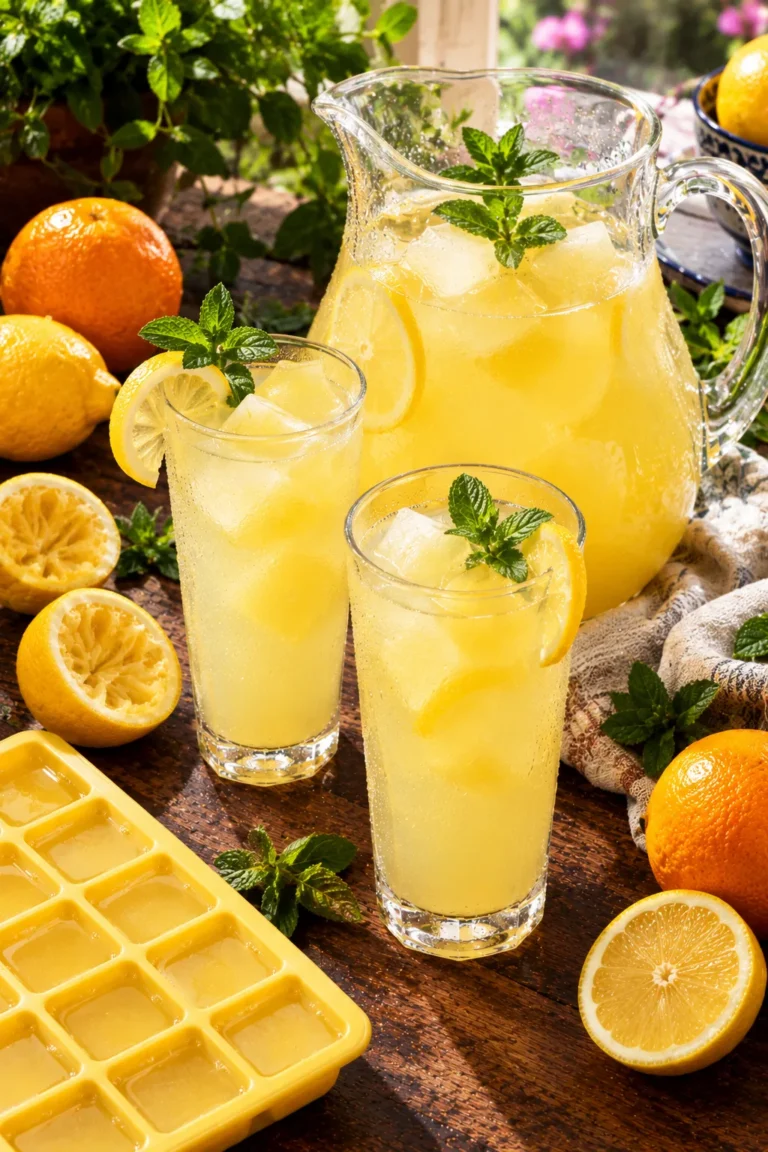
Squeezing oranges gives you orange juice. Boiling them gives you something else entirely, and the difference is larger than it sounds.
This method simmers whole fruit, peel included, with sugar and water for half an hour, then blends everything and strains it. What comes out is cloudy, deeply aromatic and noticeably more complex than squeezed juice, because you have extracted the oil from the peel as well as the juice from the flesh. It also makes three litres from a kilo of fruit, which squeezing never would.
The detail that makes it work is a ratio most recipes gloss over. Only one lemon and one orange keep their peel. Every other orange gets peeled before it goes in the pot. That is enough peel to give the drink its perfume and its slight bitterness, and not so much that the whole batch turns harsh.
This is a household drink across North Africa, made in large quantities and kept cold in the fridge for a few days. It turns up in summer, at Ramadan iftar tables, and whenever there is a glut of cheap tangerines in winter.
Ahead: which fruit to use, the ingredient list, five steps with photos, why the simmer must stay gentle, and what the straining is really doing.
The Peel Ratio, and Why It Matters
Citrus peel contains two things: aromatic oil in the coloured outer layer, and bitter compounds in the white pith beneath it.
Boil a pot of entirely unpeeled fruit and you extract both, heavily, and the result is a drink that smells wonderful and tastes unpleasantly bitter. Peel everything and you lose the aroma that makes this method worth doing at all.
One lemon and one orange, peels on, in a kilo of fruit, is the balance. You get the perfume without the harshness.
A practical consequence: wash the two pieces of fruit that keep their peel properly, especially if they are waxed, since you are extracting directly from the outside of them.
Which Fruit to Use
- Tangerines are the traditional choice and often the best one. They are sweeter than oranges, their peel is thinner and less bitter, and in winter they are cheap.
- Eating oranges work equally well. Use navel or Valencia rather than the bitter Seville type, which is for marmalade and would take this drink somewhere very different.
- Do not use concentrate or bottled juice. The entire method depends on having actual fruit with actual peel.
Ingredients You’ll Need
Main Ingredients
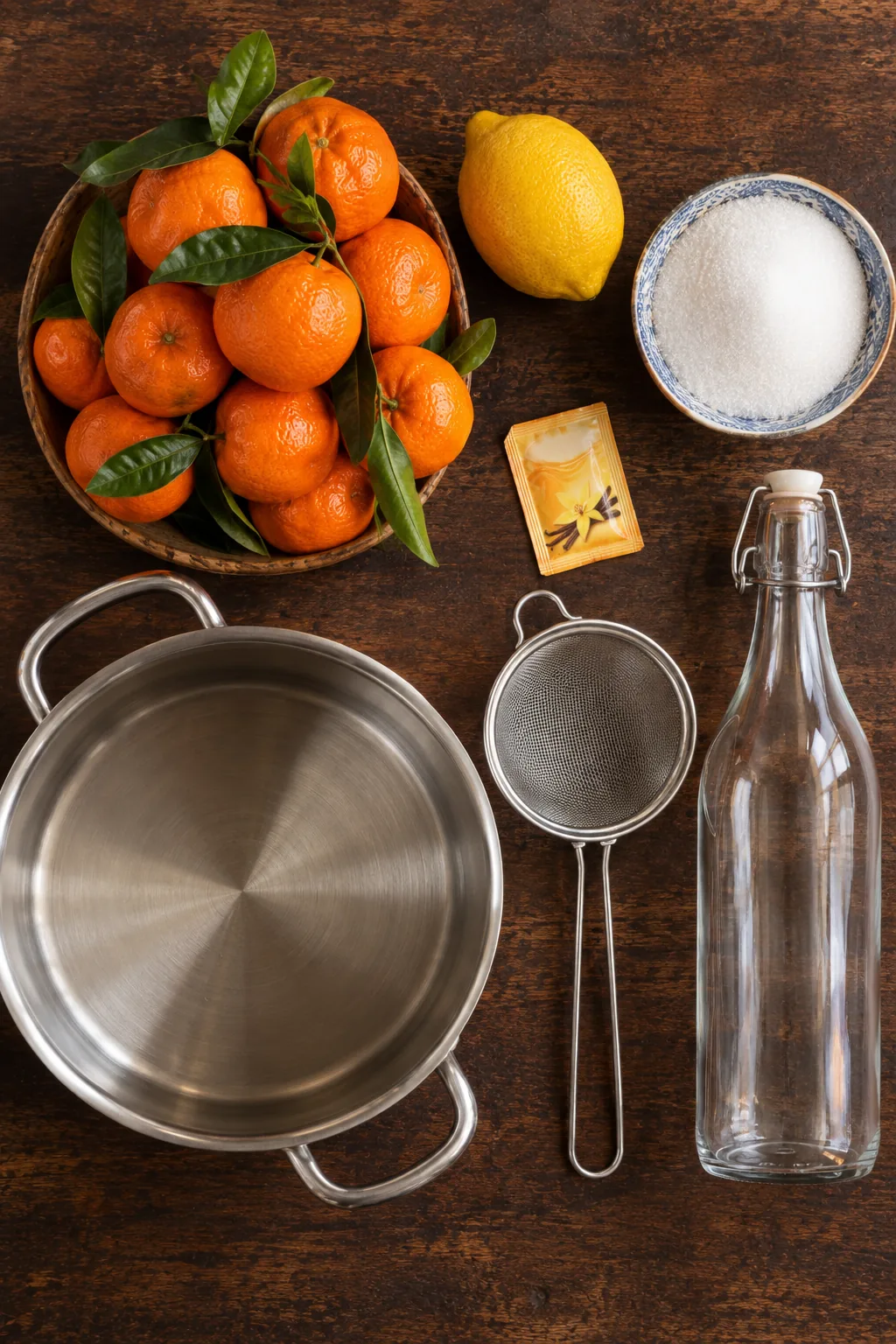
Makes about 3 litres, serves 8
- 2¼ lbs (1 kg) tangerines or eating oranges, washed
- 1 large lemon, washed
- 3 quarts (3 litres) water
- 1 lb 2 oz (500 g) granulated sugar
- 1 packet vanilla sugar, about 7 g
On the Sugar
- 500 g across three litres is less sweet per glass than it looks on the page.
- It does more than sweeten. Sugar draws flavour out of the fruit during the simmer and helps the drink keep for several days in the fridge.
- You can reduce it to 350 g if you prefer, but go much lower and the drink both tastes flat and spoils faster.
Easy Substitutions
- No vanilla sugar? A teaspoon of caster sugar with a few drops of vanilla extract. It rounds the sharpness rather than adding an obvious vanilla note.
- No fresh lemon? The lemon is doing real work here, balancing the sweetness of a kilo of oranges. Without it the drink is noticeably flat.
- Want it sharper? Use two lemons, keeping the peel on only one of them.
Step-by-Step Instructions in 5 Steps
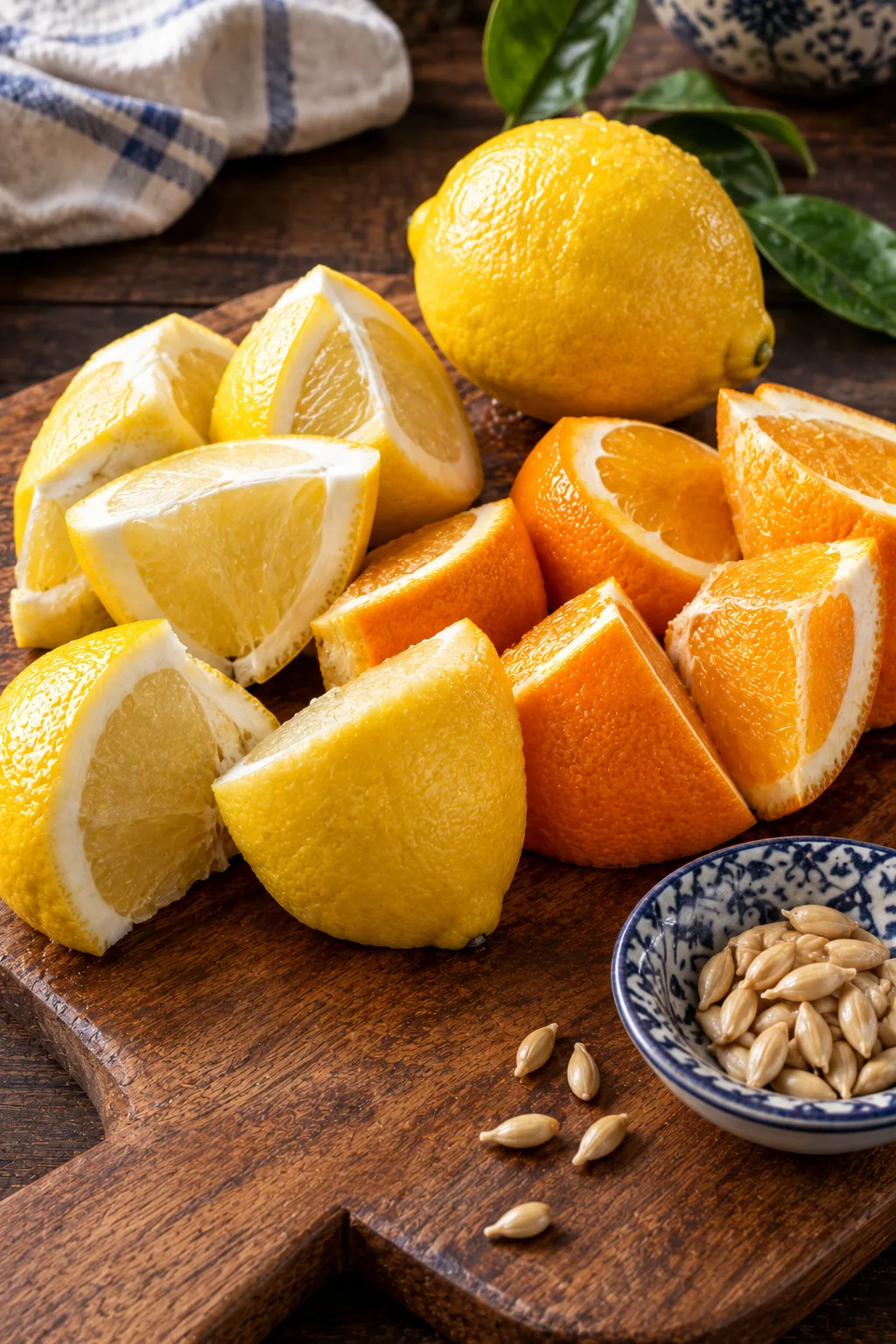
Step 1: Prepare the Peel-On Fruit
Wash the lemon and one orange thoroughly. Cut both into large pieces with the peel still on, and pick out any seeds.
Prep tip: Remove every seed you can see. Citrus seeds are bitter, and they will be blended along with everything else at the end. This is the moment to get them out, not later.
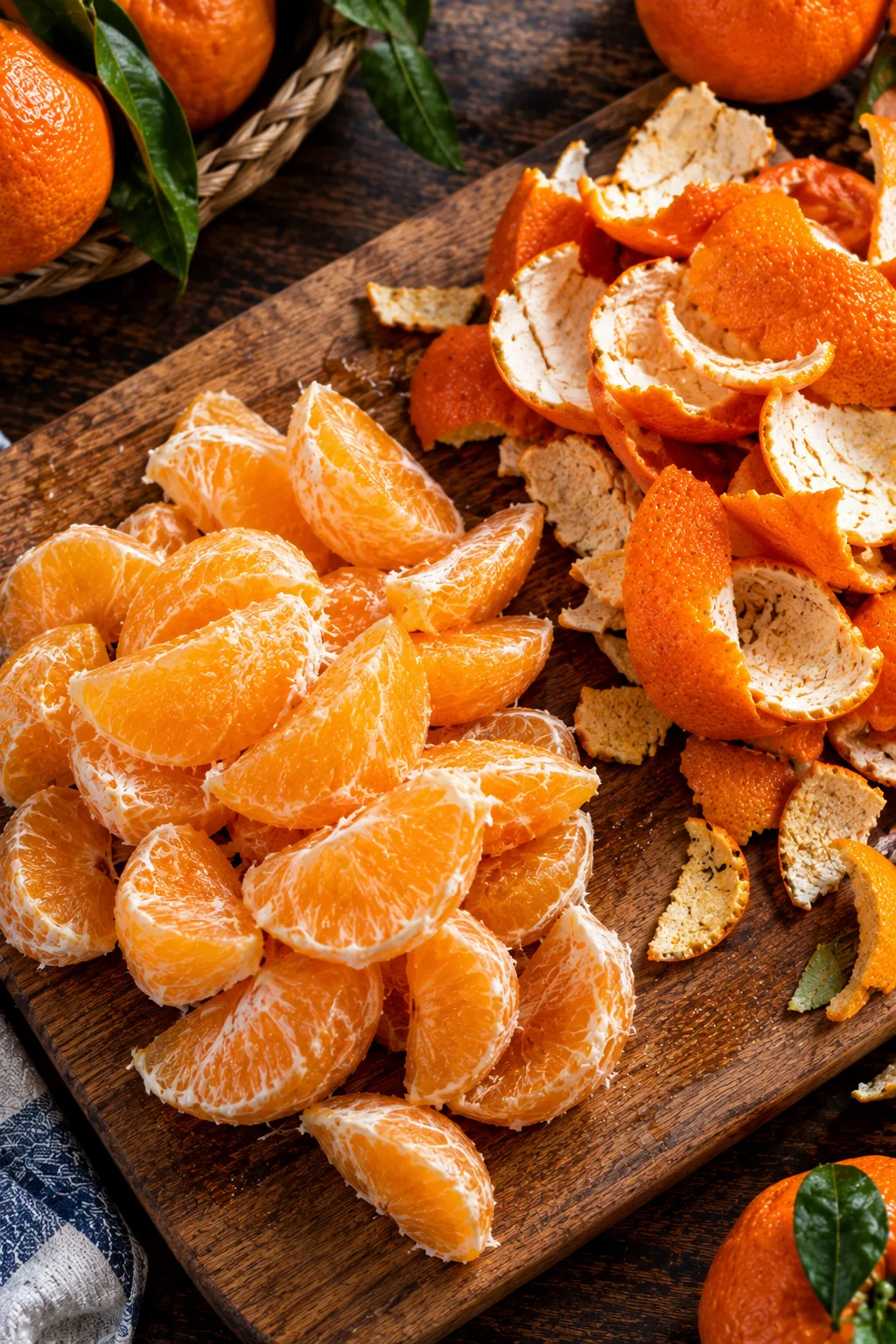
Step 2: Peel and Cut the Rest
Peel the remaining oranges, cut them into large pieces and remove the seeds. Meanwhile put the water on to heat.
Prep tip: Keep the pieces large. They are going to be simmered for half an hour and then blended, so there is nothing to gain from fine knife work here.
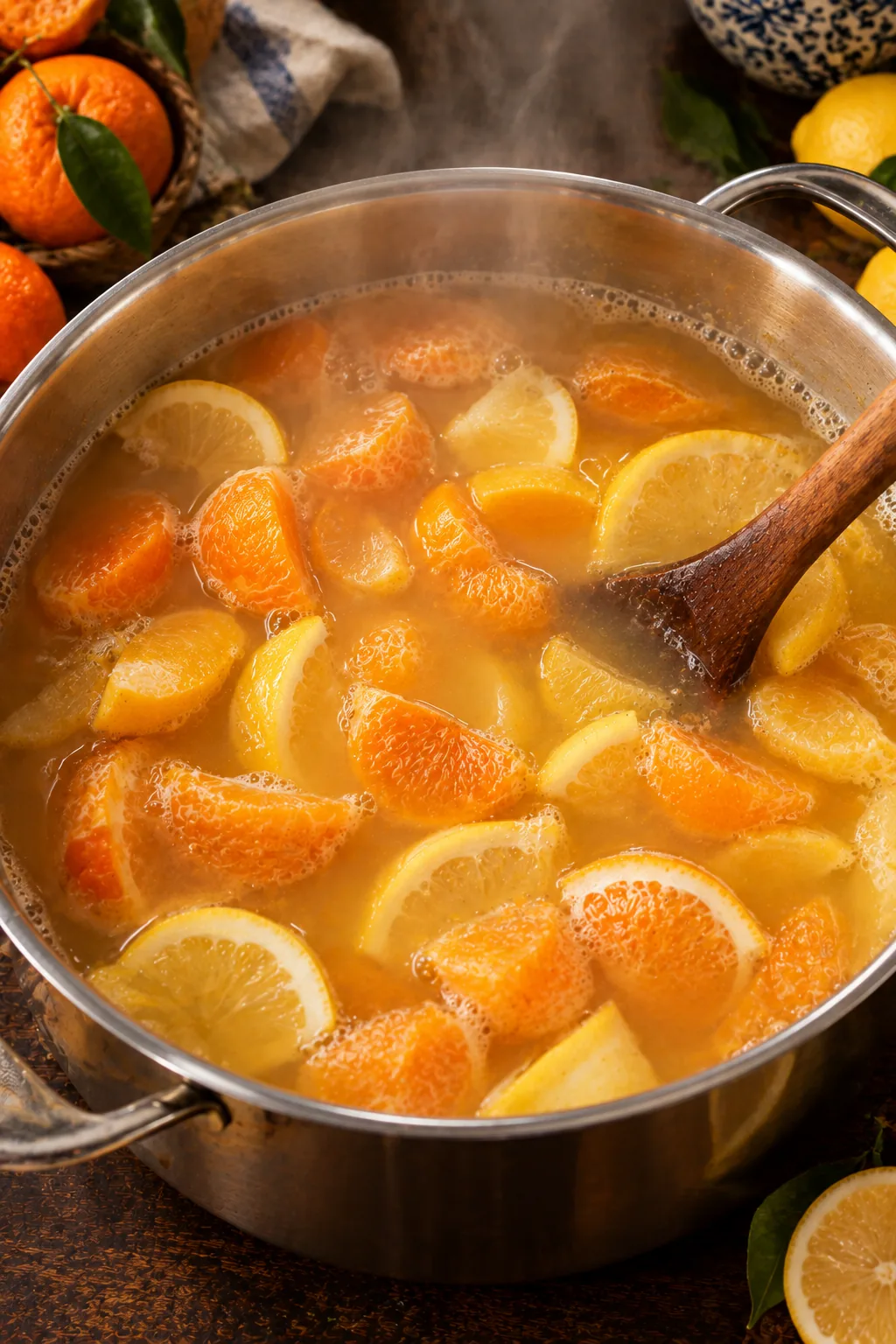
Step 3: Simmer for 30 Minutes
Add all the fruit to the water along with the sugar and vanilla sugar. Bring it to a boil, then reduce the heat immediately and let it simmer gently for 30 minutes.
Prep tip: Gentle simmer, never a rolling boil. Hard boiling drives bitterness out of the peel and pith far faster than it extracts the aromatic oil, and the result is harsh. You want lazy bubbles at the edge of the pot for half an hour.
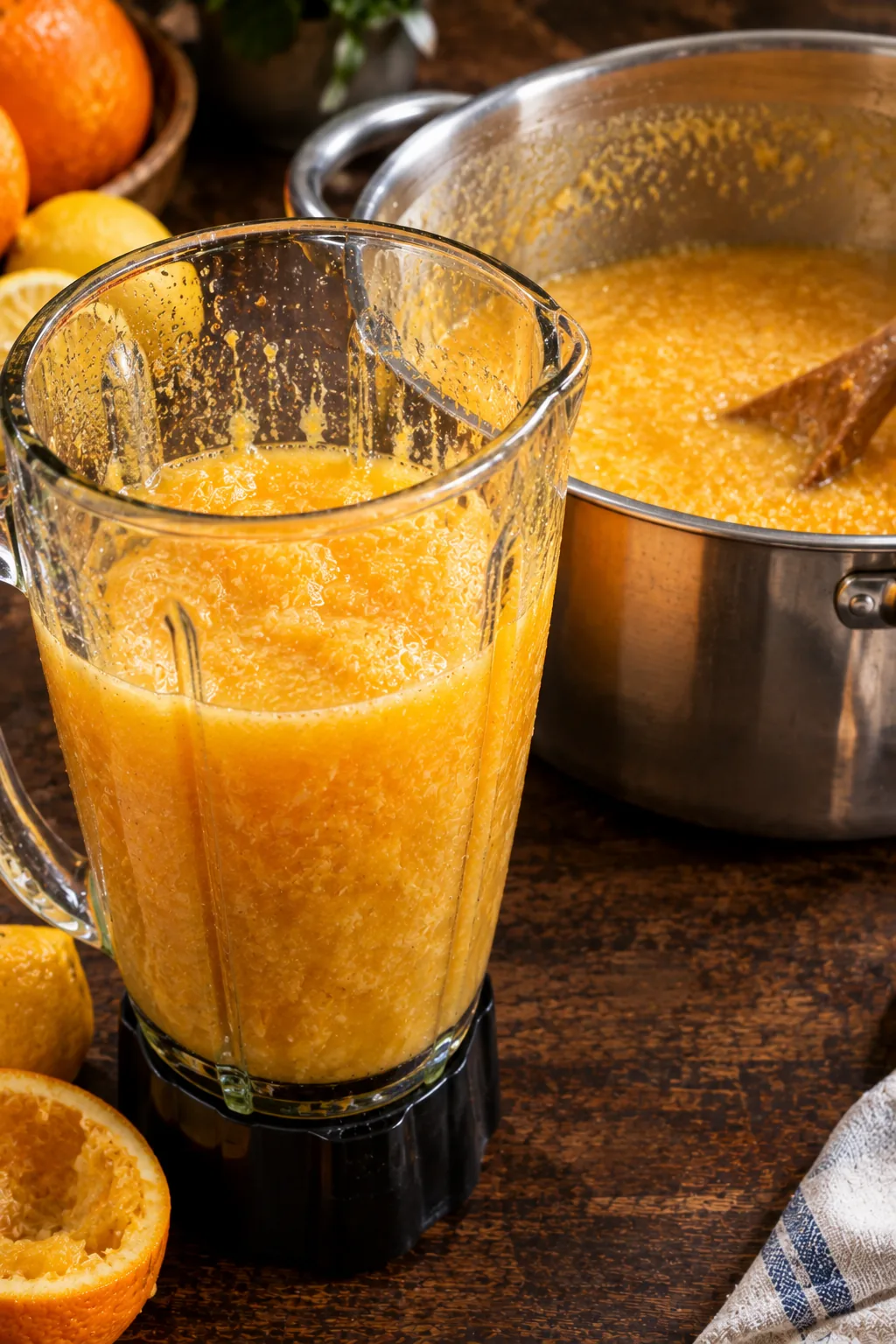
Step 4: Cool, Then Blend
Let the mixture cool until it is safe to handle. Blend everything, fruit and liquid together, in batches in an electric blender, just long enough to break the fruit down.
Prep tip: Cool it before blending. Hot liquid in a sealed blender builds pressure and pushes the lid off, which is both dangerous and a serious mess. Let it come down to warm at least, and fill the jug no more than two thirds.
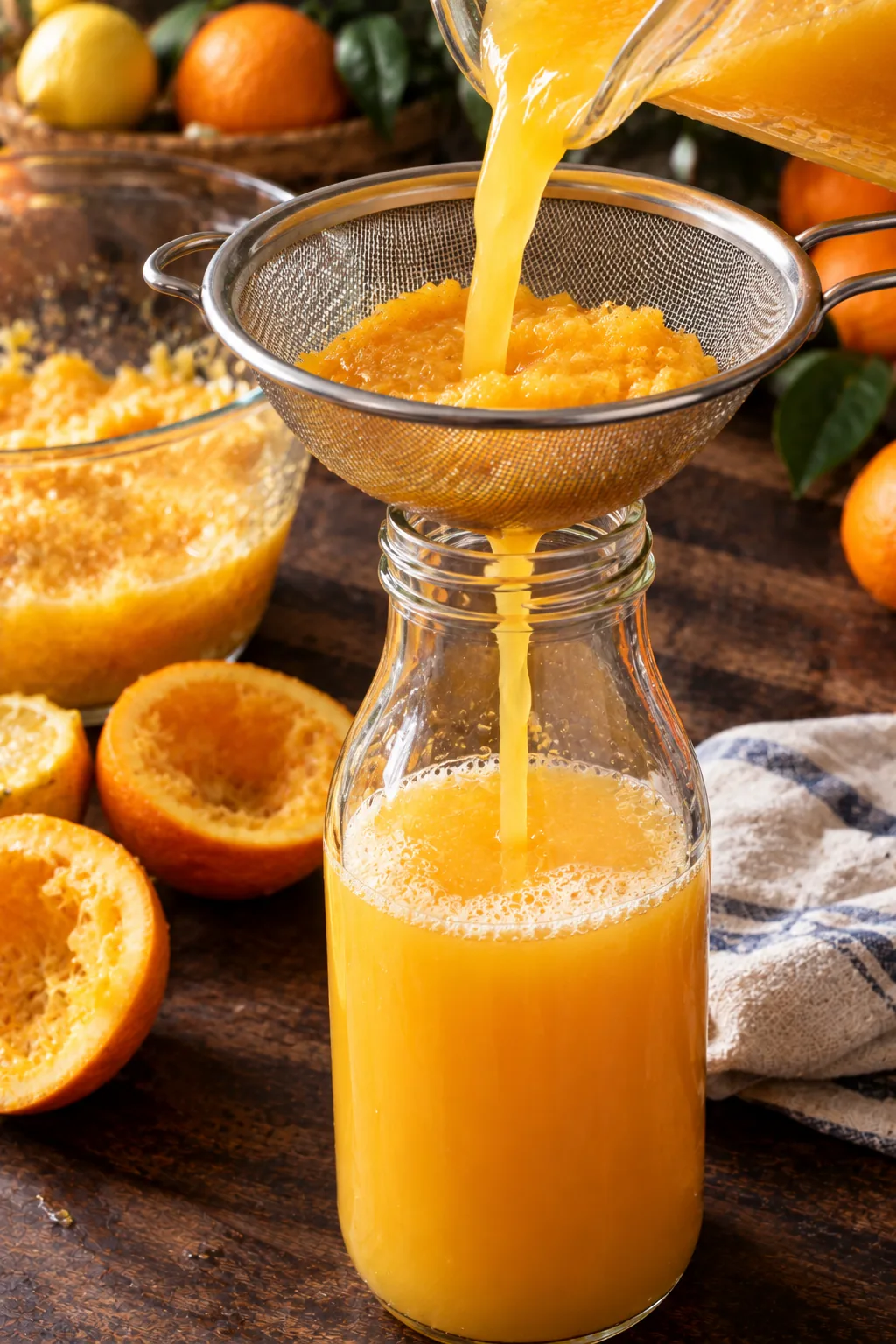
Step 5: Strain and Chill
Pour the blended mixture through a fine sieve into a jug or bottles, pressing gently on the solids to get the liquid out. Discard the pulp. Chill thoroughly in the fridge before serving.
Prep tip: Do not skip the straining. Blending breaks the peel and pith into fine particles that stay suspended, and unstrained they make the drink gritty and increasingly bitter as it sits. A fine sieve or a double layer of muslin is what turns this from a purée into a juice.
About This Drink: Winter Fruit, Summer Glass
Two things make this method persist in North African households. The first is yield: a kilo of fruit becomes three litres, which squeezing could never manage. The second is that it uses fruit that is past its best. Tangerines going slightly soft, oranges that have been in the bowl a week, fruit bought cheaply in a winter glut: all of it works here, because the boiling and blending does not care about texture.
It sits on the table alongside my citronnade recipe, which is the same idea approached from the opposite direction: that one extracts cold and freezes, this one extracts hot and chills. Between them they cover most of what you would want from a citrus drink.
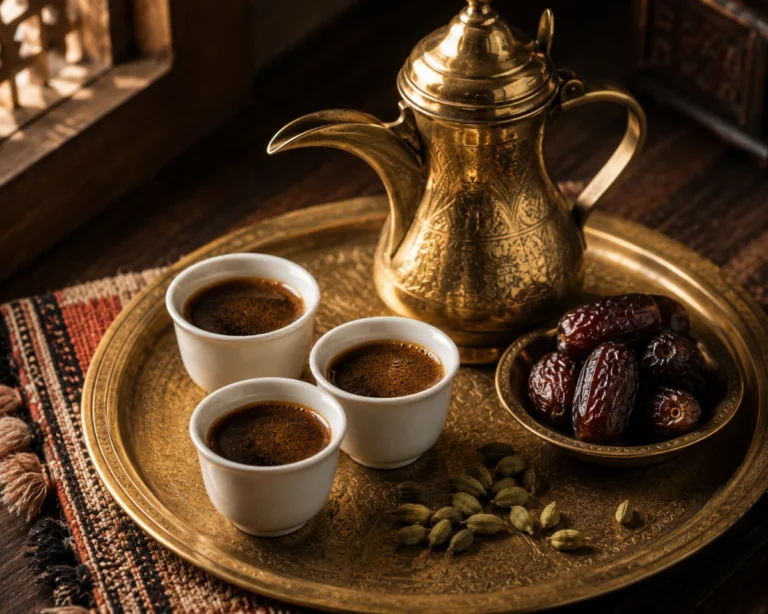
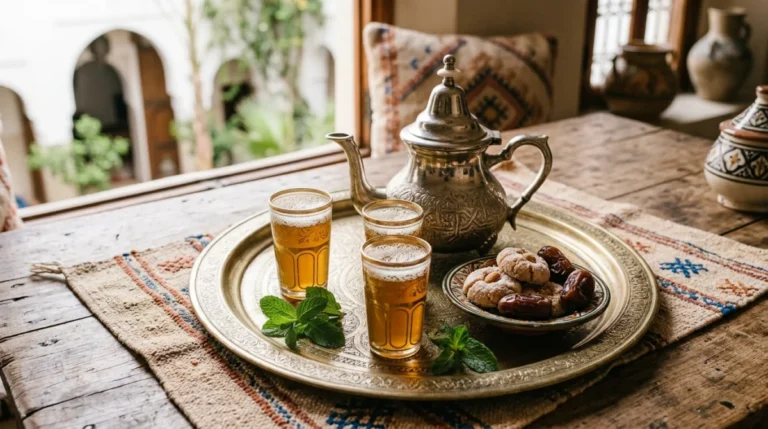
At Ramadan it appears at iftar beside dates and my harira recipe, where something cold and sweet after a long fast is often more welcome than tea.
On the traditional health claims: oranges are a genuine source of vitamin C, which is well established. Older recipe books often add that orange stimulates and fortifies the body and is best drunk in the morning, and those are traditional beliefs rather than medical facts.
Pro Tips for the Best Result
- Use a wide pot. Three litres of liquid plus a kilo of fruit needs room, and a crowded pot boils unevenly.
- Blend in batches. Filling the jug too full is how the lid comes off, even when the liquid has cooled.
- Storage: 4 to 5 days in the fridge in sealed bottles. Shake before pouring, since it separates naturally. It also freezes well for 2 months.
- Taste before chilling. Cold dulls sweetness, so a batch that tastes right at room temperature will taste slightly flat once cold. Adjust while it is still warm.
Variations
With Cinnamon
Add a cinnamon stick to the pot during the simmer and remove it before blending. Common in winter and it suits the tangerine version particularly well.
With Mint
Add a handful of fresh mint for the last five minutes of the simmer. It comes through as a background freshness rather than dominating.
As a Cordial
Halve the water for a concentrated version, then dilute each glass with cold water or sparkling water at serving time. Takes up far less fridge space.
My House Version
In my kitchen this gets made when the fruit bowl has gone past its best rather than when the fruit is perfect, which is what the method is for. A cinnamon stick goes in almost always, and the whole batch goes into old glass bottles because three litres in a jug takes up the entire fridge shelf.
What to Serve with It
It stands alone as a cold drink, but it is particularly good against rich or fried food, where the citrus cuts through.
On a Ramadan table it belongs with dates, my harira recipe and the sweets: my briouates recipe or my kaab ghzal recipe both sit well beside something cold.
In the morning, which is the traditional moment for it, a glass alongside bread and olive oil or my Egyptian breakfast recipe works well.
FAQs
Why boil the fruit instead of squeezing it? Boiling extracts the aromatic oil from the peel as well as the juice from the flesh, which gives a cloudier, more complex drink. It also yields three litres from a kilo of fruit, which squeezing could not.
Why do only two pieces of fruit keep their peel? Peel carries aroma in its coloured layer and bitterness in the white pith. One lemon and one orange gives you enough perfume without the whole batch turning harsh.
Why must it not boil hard? A rolling boil extracts bitterness from the peel and pith faster than it extracts the aromatic oil. A gentle simmer for 30 minutes gives you the aroma without the harshness.
Can I skip the straining? No. Blending breaks the peel and pith into fine particles that stay suspended and make the drink gritty and increasingly bitter as it sits. Straining is what makes it a juice rather than a purée.
How long does it keep? Four to five days in sealed bottles in the fridge. Shake before pouring since it separates naturally. It also freezes for about 2 months.
A Kilo of Fruit, Three Litres of Juice
Keep the peel on just two pieces of fruit, simmer gently rather than boiling hard, cool before blending, and strain properly. Four rules, and the fruit does not even need to be in good condition.
Make a batch next time the fruit bowl is going over and report back: tangerines or oranges, with cinnamon or without, and whether three litres lasted the week. In my house it does not.
Rate this recipe
No ratings yet — be the first!

Comments
No comments yet. Yours would be the first.
Made this? Tell me how it went, what you changed, and whether it worked in your kitchen.
Leave a comment
Comments are anonymous and appear after admin approval. If you rated this recipe above, your stars will show with your comment.