The Grain That Was Set on Fire
Most grains are harvested ripe and dry. Freekeh is not. It is picked while the wheat is still green and soft, then the harvest is set alight. The straw burns away, the moisture inside the young grains protects them, and what survives is a grain smoked by an actual fire.
That story explains the taste. Freekeh is nutty, chewy and unmistakably smoky, and this freekeh soup tastes like it contains something you cannot quite name. There is no smoked ingredient in this pot. The smoke is in the grain.
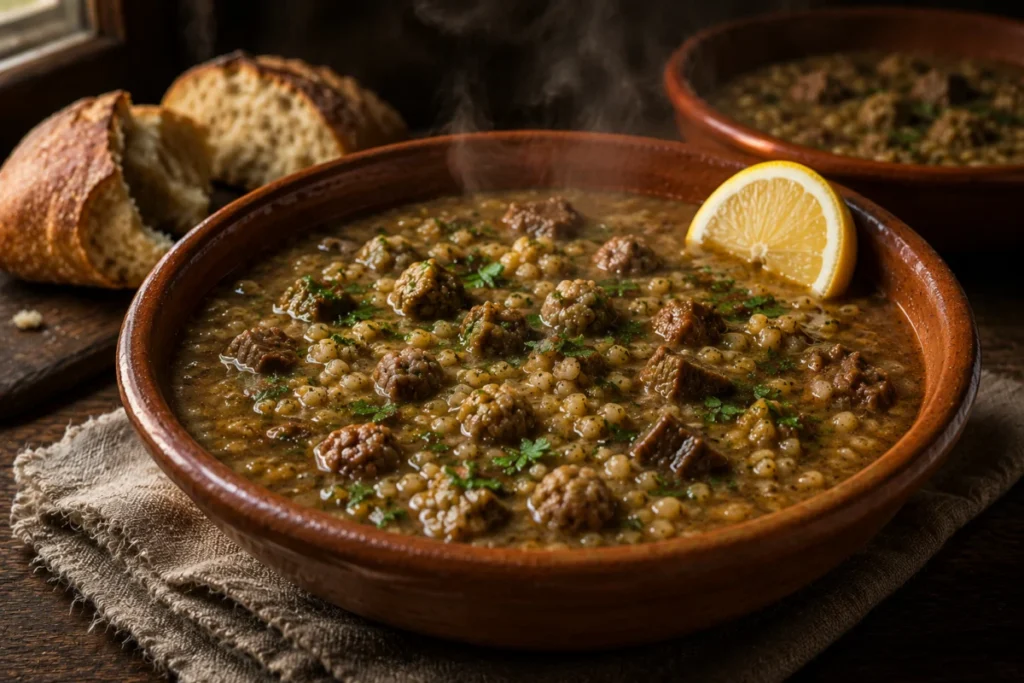
This is Levantine winter cooking at its most practical: beef simmered with tomato and celery, freekeh swelling to thicken the broth, and tiny chickpea-sized meatballs dropped in at the end. Those meatballs are not strictly necessary, and every household that makes them would disagree with that sentence.
This is a Sunday pot, worth making in a big batch because it improves for two days afterwards. It also happens to be one of the cheapest things on this blog to cook, which is very much in the spirit of the dish.
Ahead: what freekeh is and where to buy it, the ingredient list, five steps with photos, the soaking question, and why the meatballs go in last.
Where to Find Freekeh in the US and UK
Freekeh has moved from specialty shelves into the mainstream, largely because it is high in fibre and protein, as documented in the USDA food database. In the UK it sits with the grains beside bulgur and quinoa in most large supermarkets. In the US, check the natural grains section, Whole Foods, or any Middle Eastern grocery, where it is much cheaper.
You will find two forms. Cracked freekeh, which looks like coarse bulgur, is what this recipe uses and cooks in about 30 minutes. Whole freekeh looks like green wheat berries, needs closer to an hour, and has a firmer bite. If the label does not say, cracked is more common in supermarkets and whole is more common in Middle Eastern shops.
On soaking: cracked freekeh does not strictly need an overnight soak, though many households do it out of habit and it does shorten the cooking. Whole freekeh genuinely benefits. Either way, rinse it well before cooking, since freekeh carries more dust and chaff than most grains.
Green Wheat, Beef, Meatballs
The Shopping List
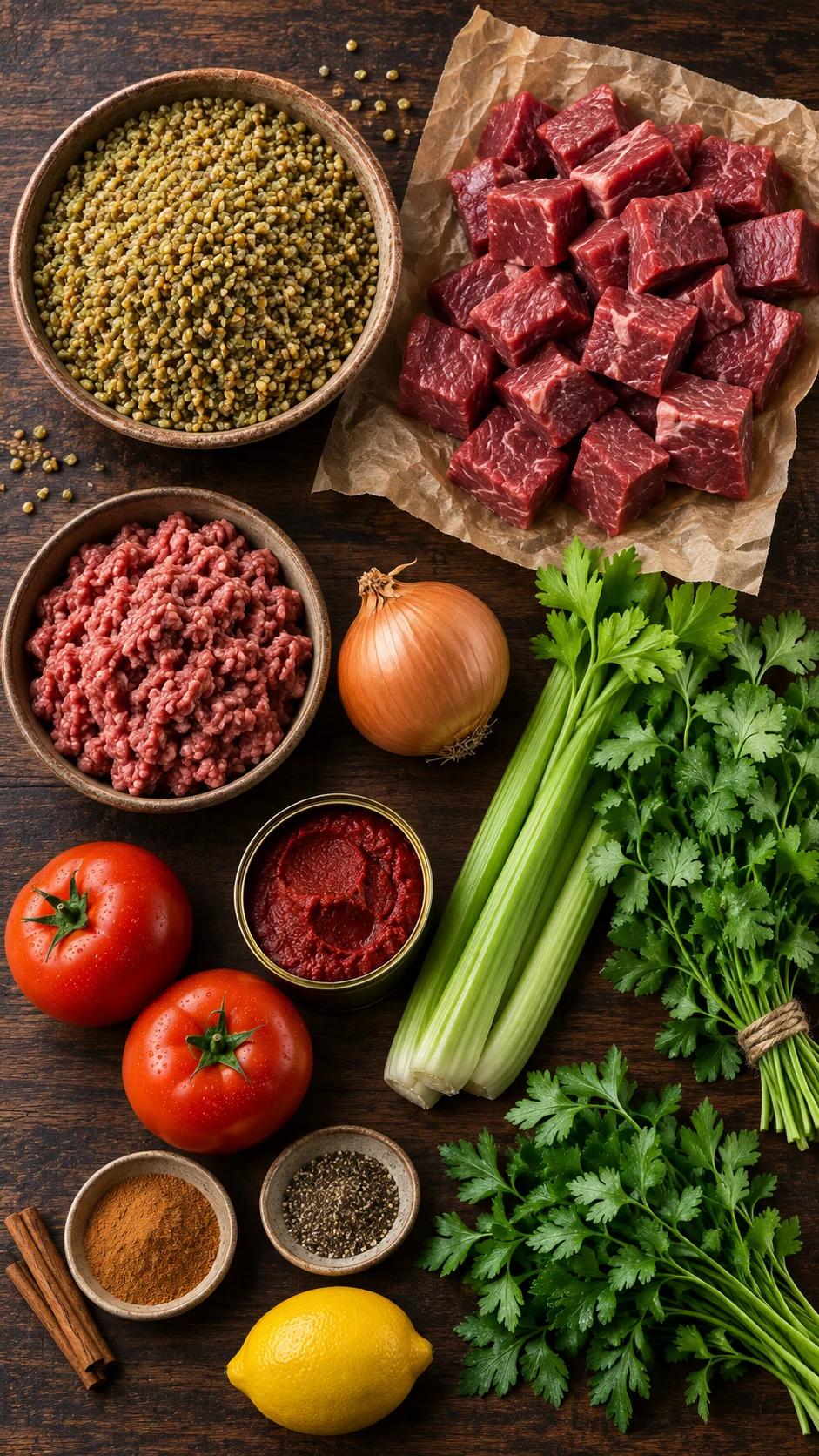
Serves 6
For the soup:
- 10 oz (300 g) stewing beef, cut into small cubes
- 3 tablespoons olive or vegetable oil
- 1 onion, finely chopped
- 2 garlic cloves, crushed
- 2 celery stalks with leaves, chopped
- Small handful of fresh coriander, chopped
- 2 tomatoes, chopped
- 1 tablespoon tomato paste
- 1½ cups (250 g) cracked freekeh, rinsed well
- ¼ cup couscous or fine bulgur, optional, for extra body
- 8 cups (2 liters) water or beef stock
- 1½ teaspoons salt, plus more to taste
- 1 teaspoon black pepper
For the tiny meatballs:
- 7 oz (200 g) ground beef or lamb
- ¼ teaspoon ground cinnamon
- ¼ teaspoon black pepper
- ¼ teaspoon salt
To finish:
- 2 tablespoons finely chopped parsley
- Lemon wedges, to serve
No Freekeh? Try This
- No freekeh? Coarse bulgur cooks the same way and gives a similar texture, though you lose the smoke entirely. Adding ¼ teaspoon of smoked paprika gets you a little of the way back.
- No stewing beef? Lamb shoulder works beautifully and is arguably more traditional. For a lighter pot, use chicken thighs and reduce the simmer to 25 minutes.
- Vegetarian version? Skip both the beef and the meatballs, use vegetable stock, and add a drained can of chickpeas. The freekeh carries enough flavour to hold the pot together on its own.
Rinsing the Grain, Building the Broth
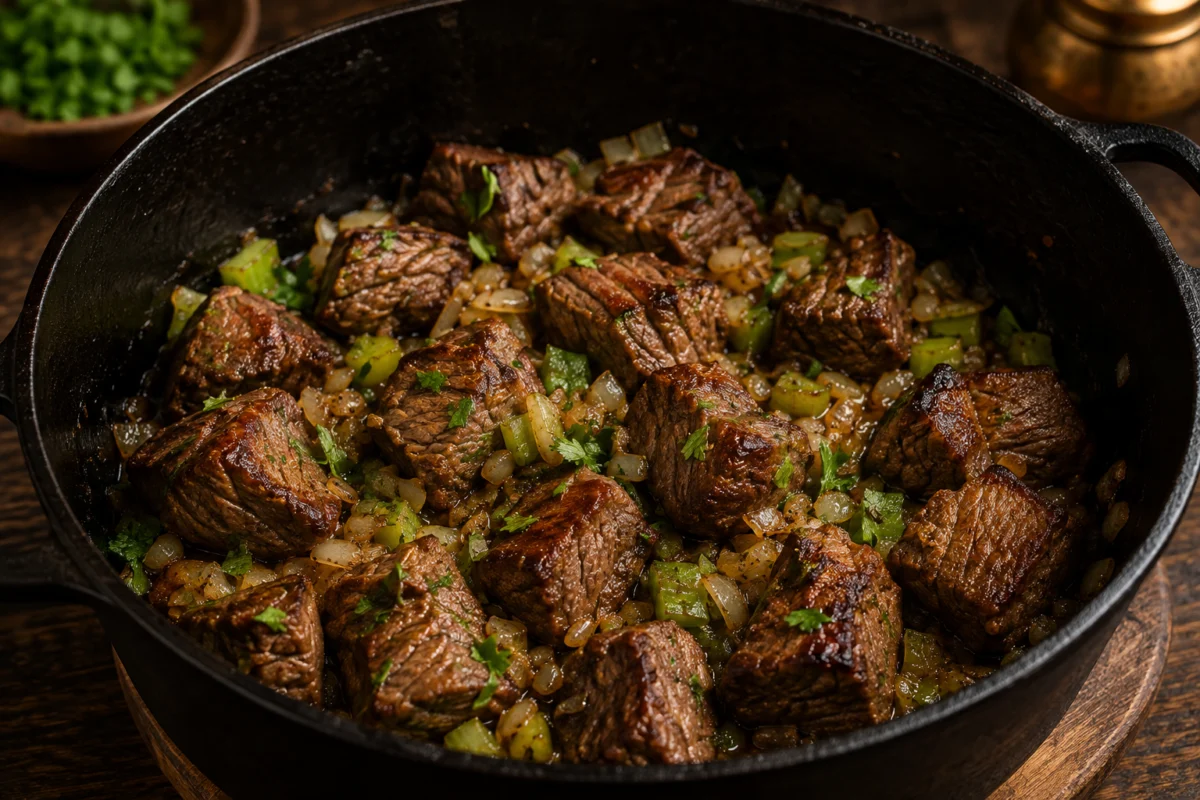
Step 1: Brown the Beef and Aromatics
Heat the oil in a large pot over medium-high heat. Add the beef cubes and brown them properly on all sides, about 6 minutes, then add the onion, garlic, celery, coriander, salt and pepper and cook for 5 minutes more until softened.
Prep tip: Brown the meat in batches if the pot looks crowded. Crowded meat steams instead of searing, and that browning is where most of this soup’s depth comes from. It is worth the extra four minutes.
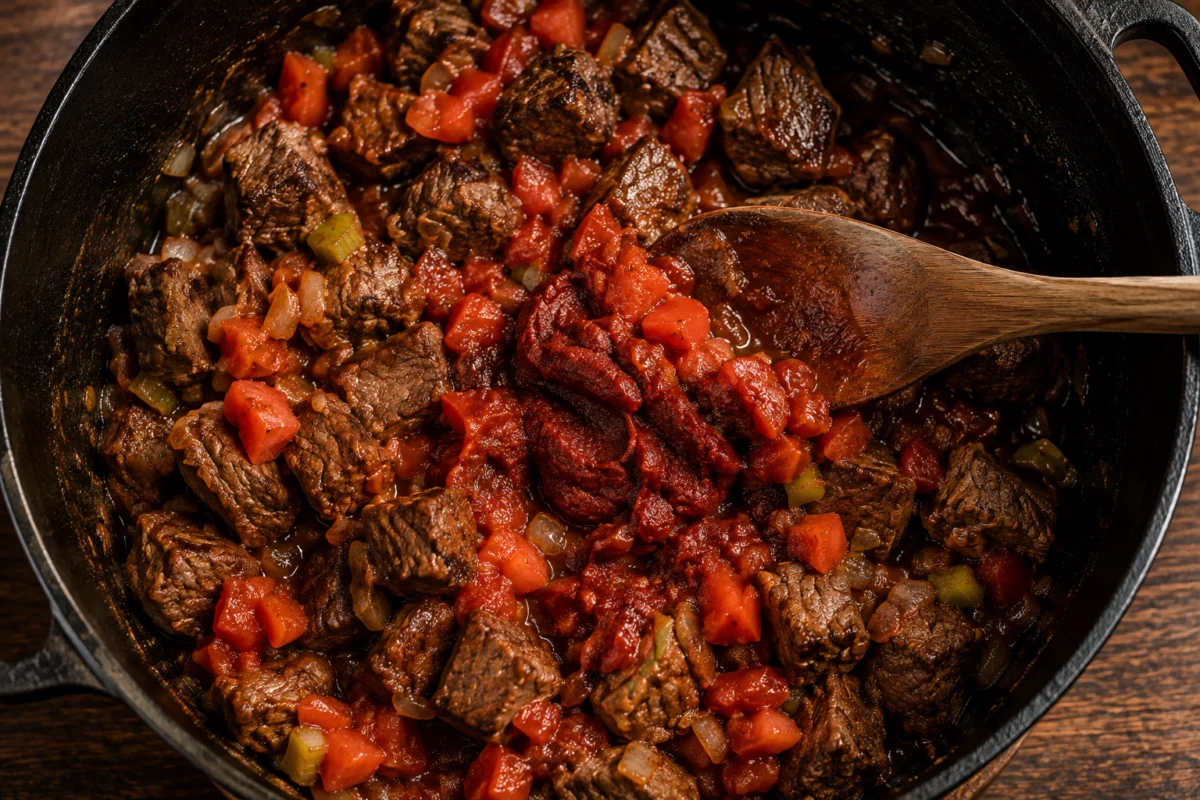
Step 2: Build the Tomato Base
Stir in the chopped tomatoes and tomato paste and cook for 3 to 4 minutes, until the paste darkens slightly and smells rich rather than raw. Pour in the water or stock and bring to a boil, then reduce to a steady simmer and cook for 30 minutes.
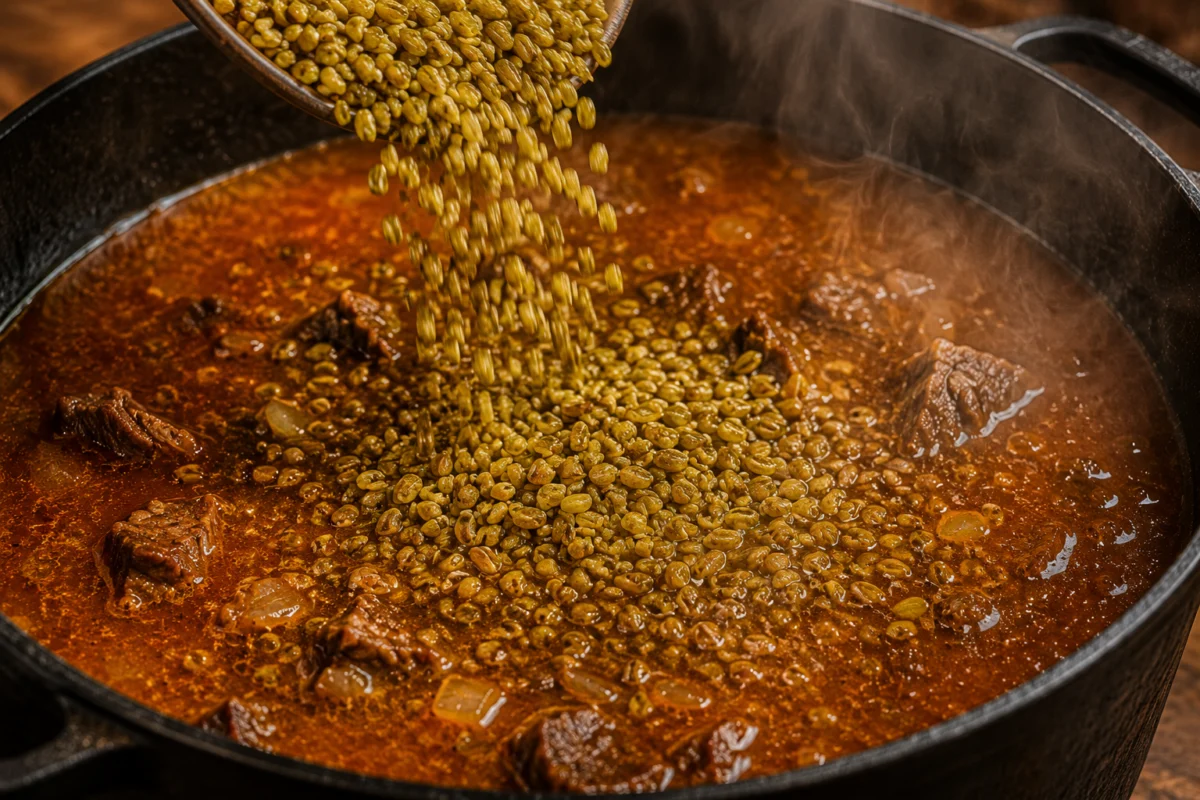
Step 3: Add the Freekeh
Stir in the rinsed freekeh and the couscous if using, and simmer for 30 to 40 minutes, stirring occasionally, until the grains are tender with a slight chew and the soup has thickened noticeably.
Prep tip: Stir from the bottom every ten minutes or so. Freekeh swells, sinks and catches on the base of the pot far more readily than rice does, and a scorched bottom will flavour the entire batch. This is the one step that needs your attention.
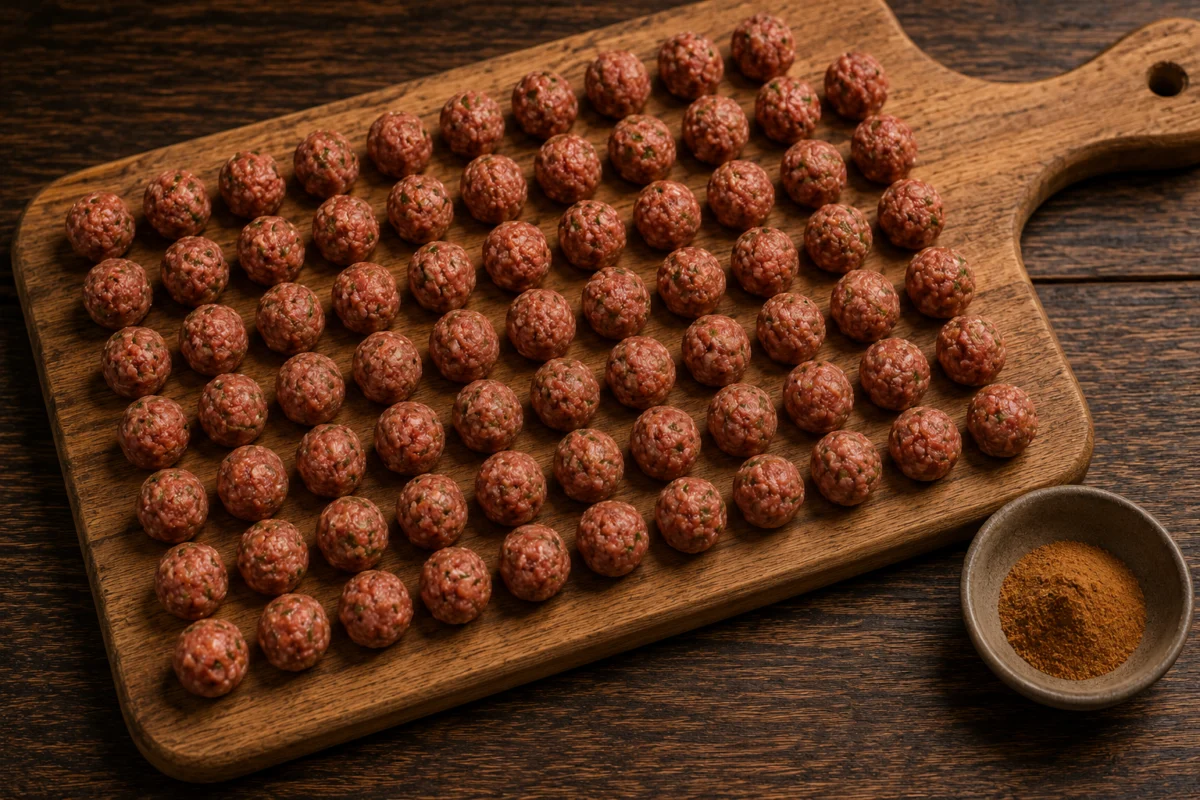
Step 4: Roll the Tiny Meatballs
While the freekeh cooks, mix the ground meat with the cinnamon, pepper and salt, and roll it into meatballs the size of chickpeas. Keep them genuinely small, around 1 cm across.
Prep tip: Small is the whole character of these. They should disappear into a spoonful of soup alongside the grains rather than sitting in the bowl as separate lumps of meat. It takes ten minutes of fiddly rolling and it is the detail people remember about this soup.
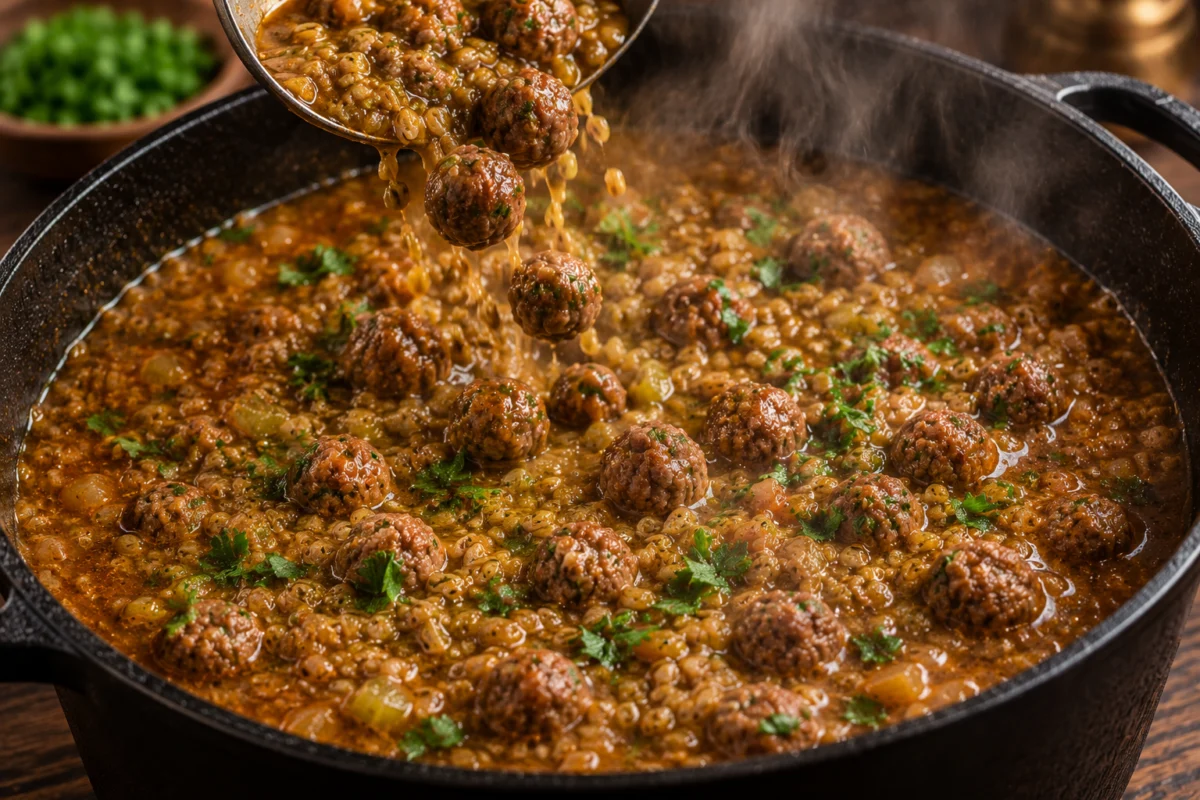
Step 5: Drop Them In and Finish
Add the meatballs to the simmering soup and cook for 10 minutes, until firm and cooked through. Taste and adjust the salt, stir through the parsley, and serve hot with lemon wedges on the side.
About Freekeh Soup: Winter in the Levant
Freekeh has been eaten across the Levant for thousands of years, and the fire-harvesting technique is genuinely ancient. Syria, Lebanon, Jordan and Palestine all claim versions of this soup, and it appears constantly during Ramadan, when its thickness makes it right for breaking a fast.
It belongs to the same family as the harira recipe and the wheat soups of the wider region: a grain thickening a meat broth into something between a soup and a stew, eaten with bread and lemon. What sets freekeh apart is that smokiness, which no other grain in the pantry provides. For a gentler bowl, the Arabic chicken soup sits at the lighter end of the same tradition.
Beyond soup, freekeh appears as a pilaf, as a stuffing for chicken and lamb, and in salads in place of bulgur. If you buy a bag for this recipe, the stuffed lamb neck recipe offers a second use for it.
Rinse the Freekeh Until It Runs Clear
- Rinse the freekeh properly. It carries more chaff and dust than most grains, and a quick swirl under cold water until it runs clear makes a cleaner-tasting soup.
- Expect it to thicken as it stands. Freekeh keeps absorbing liquid even off the heat. Add a splash of water when reheating, and do not panic if what was soup at dinner is closer to porridge by morning.
- Storage: Keeps 4 days in the fridge and improves for the first two. It freezes well for 2 months, though it thickens further, so loosen it with water or stock when reheating.
- Serve the lemon. A squeeze at the table cuts through the richness and lifts the smokiness. It is not optional in most Levantine households.
Chicken, Lamb, and Vegetarian Pots
Lamb Freekeh Soup
Swap the beef for lamb shoulder, cut small, and add ½ teaspoon of allspice with the pepper. Richer, more traditional in many households, and excellent for a cold Sunday.
The Chicken Version
Use bone-in chicken thighs instead of beef, browning them skin-side down first, and reduce the initial simmer to 25 minutes. Lighter and faster, though the broth is less deep.
How I Make It in Winter
In my kitchen the meatballs get a pinch of allspice alongside the cinnamon, and a spoonful of the soup gets loosened with harissa in a separate small bowl for whoever wants heat. The parsley goes on at the table rather than in the pot, so it stays bright green.
Lemon and Flatbread
This is a full meal in a bowl, so the table stays simple: bread and lemon. A round of the easy Moroccan bread recipe or any crusty loaf is what you want for the last of the broth.
For a Ramadan table, this soup sits naturally beside the Tunisian brik recipe and a plate of dates, and the easy tabbouleh recipe adds the sharpness that a thick smoky soup benefits from.
Freekeh, Answered
What is freekeh and what does it taste like? Freekeh is young green wheat that is harvested early and set on fire, burning away the straw while the moist grains survive. The result is nutty, chewy and genuinely smoky, and it is that smoke that makes this soup taste like it contains something you cannot identify.
Do I need to soak freekeh overnight? Cracked freekeh does not require it, though soaking shortens the cooking time and many households do it by habit. Whole freekeh benefits more. Either way, rinse it thoroughly before cooking, since it carries more chaff than most grains.
What can I substitute for freekeh? Coarse bulgur behaves almost identically in the pot and cooks in similar time. You lose the smokiness completely, so add a small pinch of smoked paprika if you want to gesture toward it.
Why do the meatballs go in at the end? They are tiny and cook in 10 minutes. Added at the start they would overcook, break apart, and cloud the broth. Dropping them in last keeps them tender and intact.
Is freekeh healthy and is this recipe gluten-free? Freekeh is high in fibre and protein and has a low glycaemic index, which is much of why it has become popular. It is not gluten-free, since it is wheat, and there is no true substitute for it in a gluten-free version of this soup.
Smoke Without a Fire
One grain does almost all the work in this pot. Brown the beef properly, let the freekeh swell and thicken the broth, roll the meatballs smaller than feels reasonable, and finish with lemon. That is the entire freekeh soup recipe.
Make it on the next genuinely cold day and report back: beef or lamb, meatballs or without, and whether anyone guessed where the smokiness comes from. Almost nobody does, and the answer is always better than they expect.
Rate this recipe
No ratings yet — be the first!
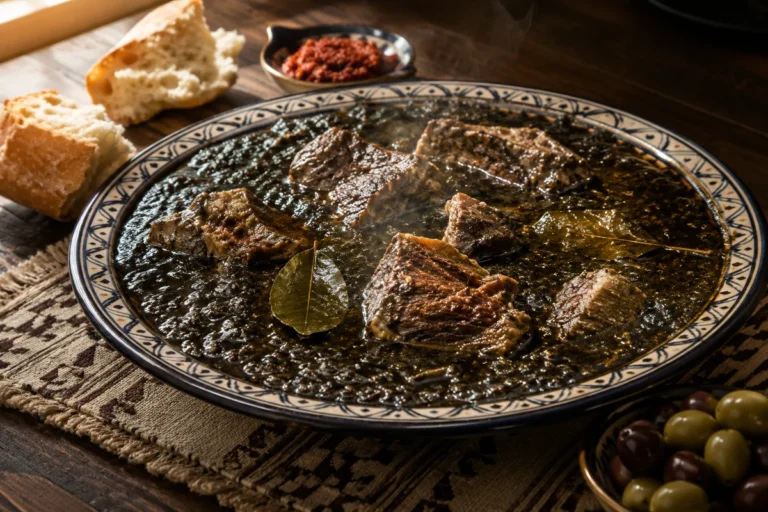
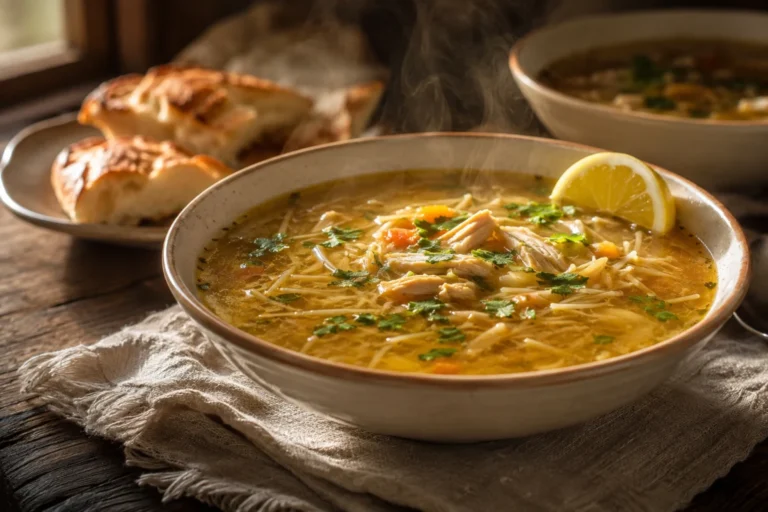
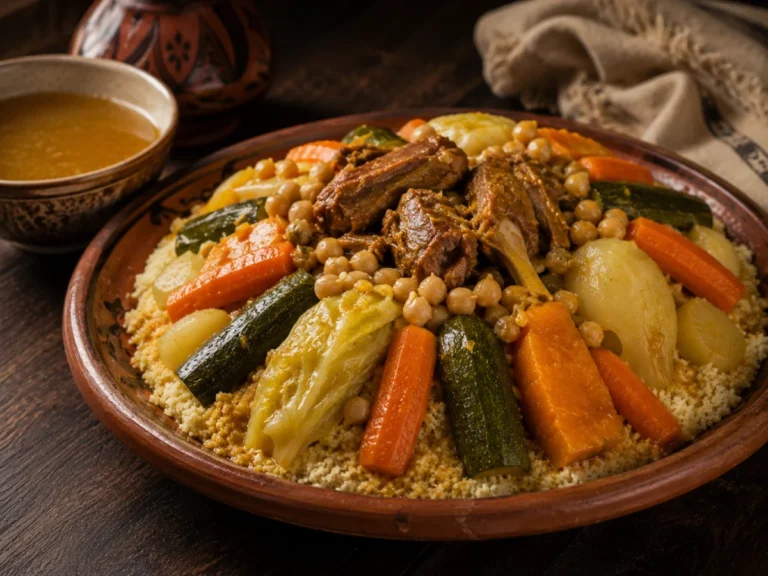
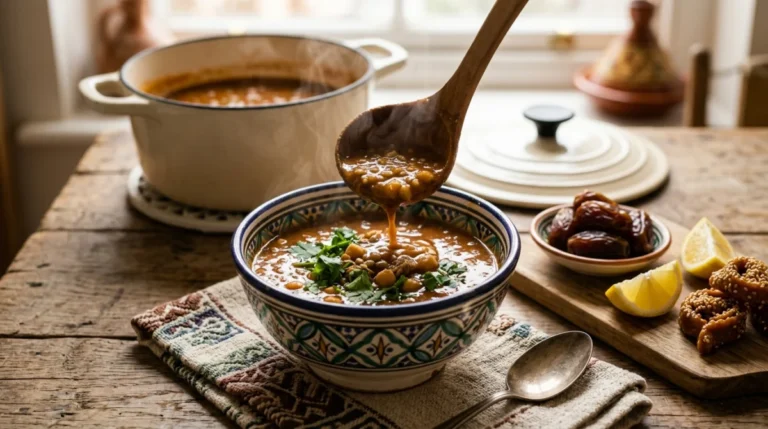

Stir from the bottom every ten minutes once the freekeh goes in. It swells, sinks and catches on the base far more readily than rice, and a scorched bottom flavours the entire pot.
Comments
No comments yet. Yours would be the first.
Made this? Tell me: beef or lamb, and did anyone guess where the smokiness comes from?
Leave a comment
Comments are anonymous and appear after admin approval. If you rated this recipe above, your stars will show with your comment.